

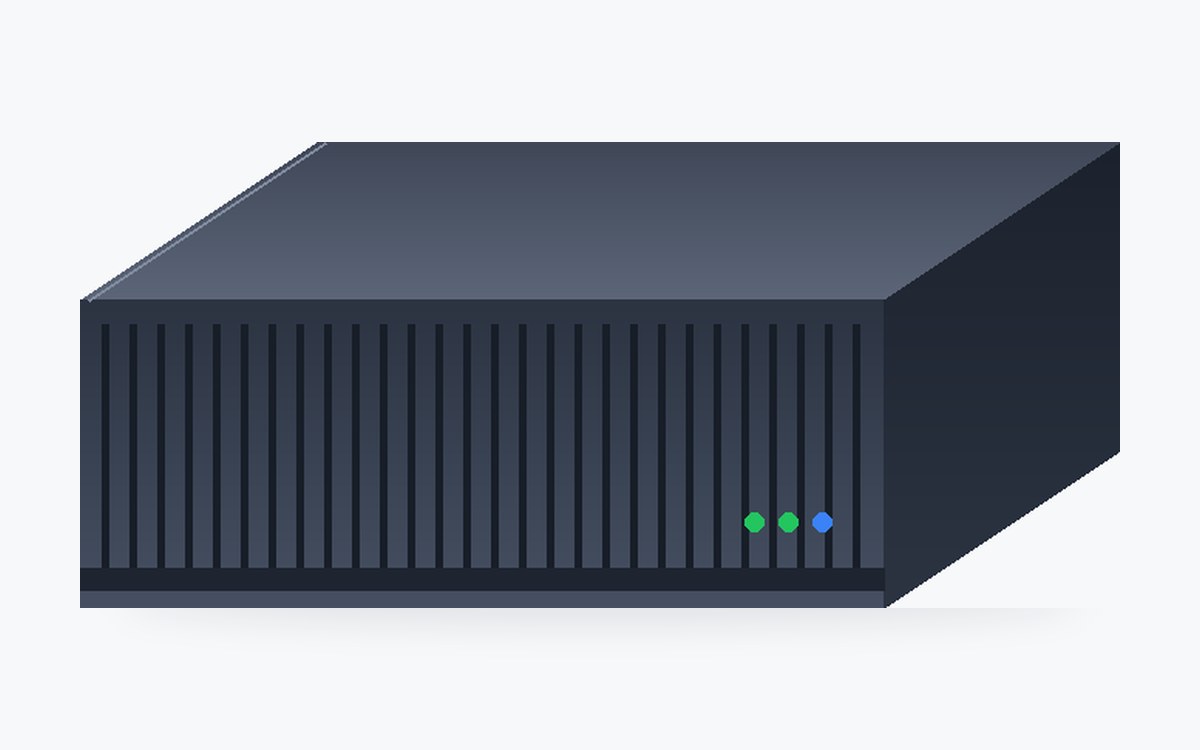

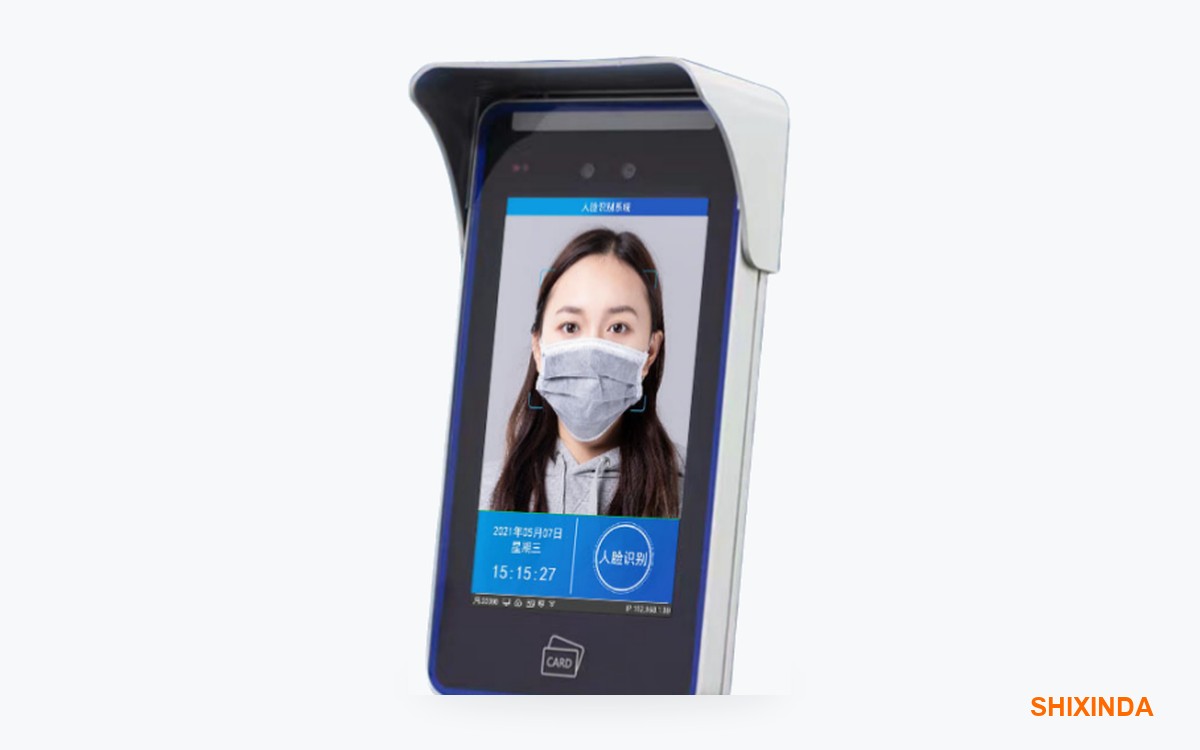
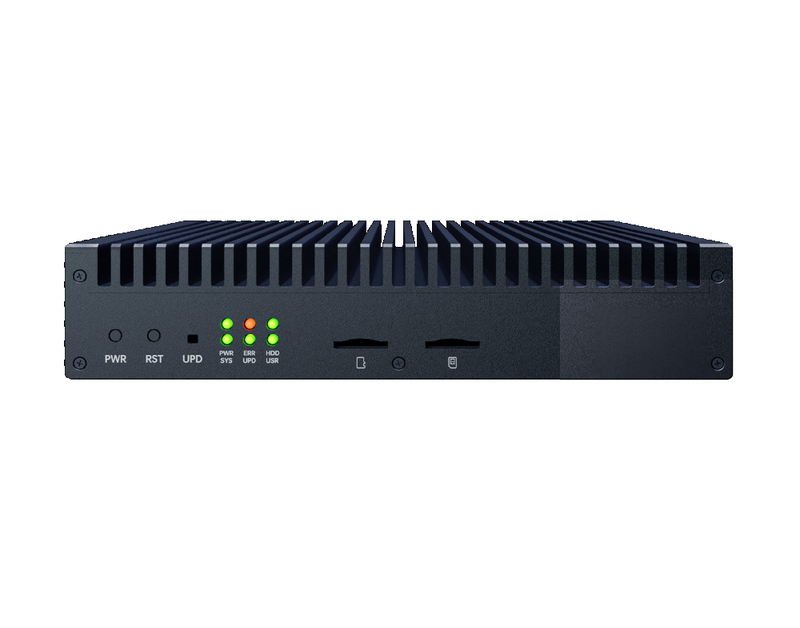
Shixinda AI AI Video Analytics Edge Mini Station (16 TOPS)
Specification · 24-core ARM Cortex-A55 @1.6GHz · 16 TOPS@INT8 (supports INT16, FP32)
Legacy Cameras + Shixinda AI Brain: Designed for upgrading and refurbishing medium-to-large scale legacy surveillance systems.
No. shixinda-ai-ai-video-analytics-edge-mini-station-16-tops · 2026-11-20
Overview
Product Introduction: Legacy Cameras + AI Brain
Shixinda AI AI Video Analytics Edge Station (16 TOPS) is designed for intelligent upgrading and transformation of medium-to-large-scale legacy surveillance systems. Traditional video recorders only support playback without early warning capabilities; this product is deployed as a side-by-side component alongside existing surveillance systems, equipping legacy cameras with an AI Brain. It supports up to 32 parallel structured video analyses, automatically identifies security hazards, and triggers real-time alarms, transforming surveillance from a "recording tool" to a "security management assistant".
Upgrade Transformation Value
- Full Utilization of Legacy Front-End Devices: Compatible with most mainstream cameras on the market, no need to replace front-end devices or rewire
- Deployment Without Altering Network Architecture: Side-by-side edge access, no modification to the existing network architecture required
- Multi-Channel Concurrent Upgrade: Up to 32 parallel analyses per single device, one-time transformation to cover the entire surveillance chain
- Flexible Network Expansion: Optional 4G/5G and WiFi expansion, no need for re-cabling during transformation
Core Features
- Powerful Computing Power: Peak computing power of 16 TOPS@INT8, supports INT16 and FP32, 4x higher computing power than previous-generation products
- Data Flow Architecture: End-to-end computing resource utilization up to 90%, ensures low latency even at high throughput rates
- Multi-Channel Video Processing: 32 channels of H.264/H.265 1080p decoding, plus 8 channels of hardware video encoding, supports up to 32 parallel structured video analyses
- High-Performance Processor: 24-core ARM Cortex-A55, capable of independent operation of operating systems and upper-layer applications
- Industrial-Grade Design: Fanless passive cooling, wide operating temperature range of -20℃ to 60℃
- Open Compatibility: Supports mainstream frameworks including PyTorch, PaddlePaddle, ONNX, as well as custom operators
Typical Transformation Scenarios
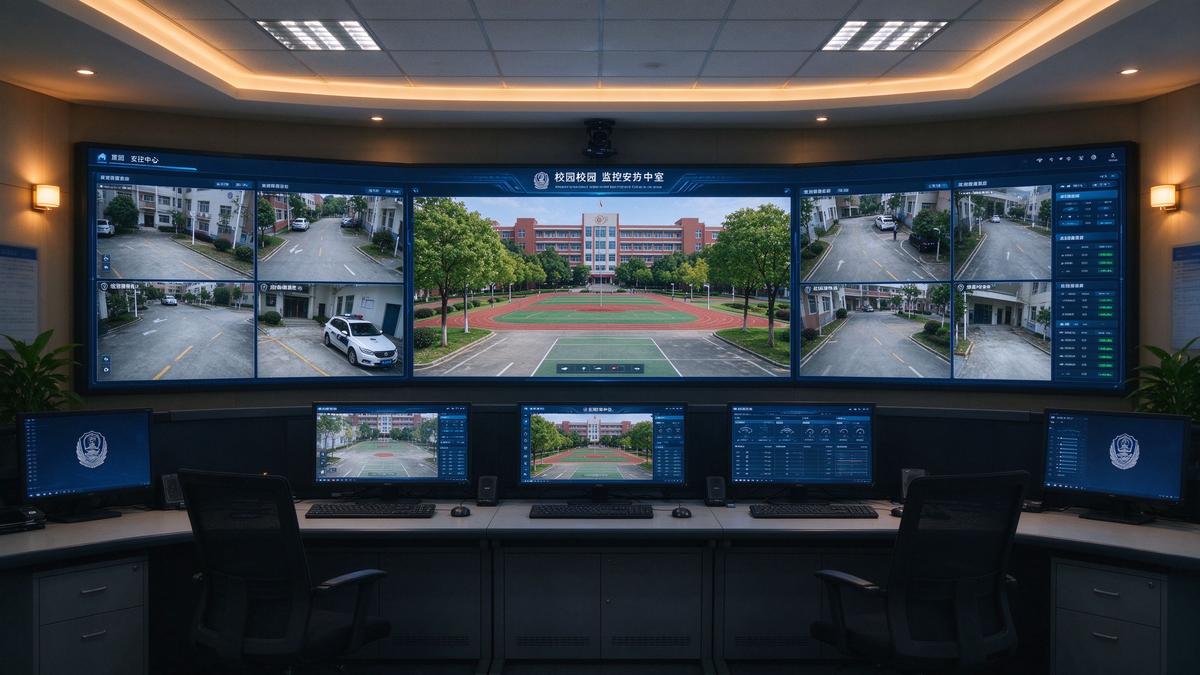
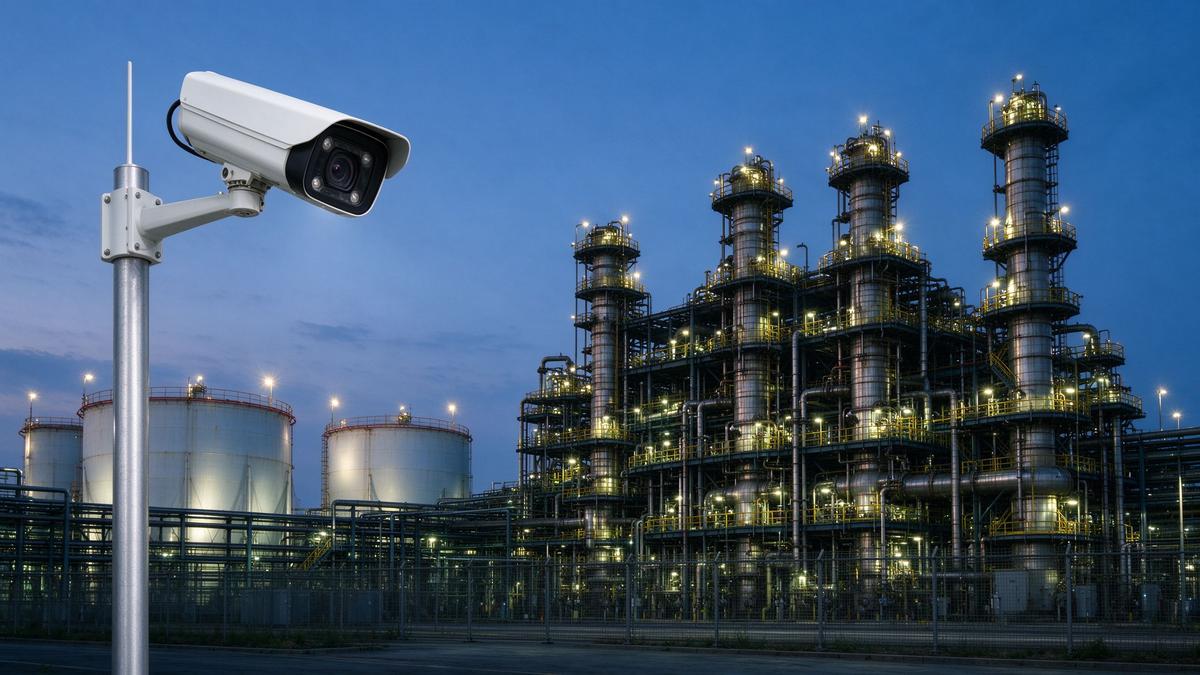
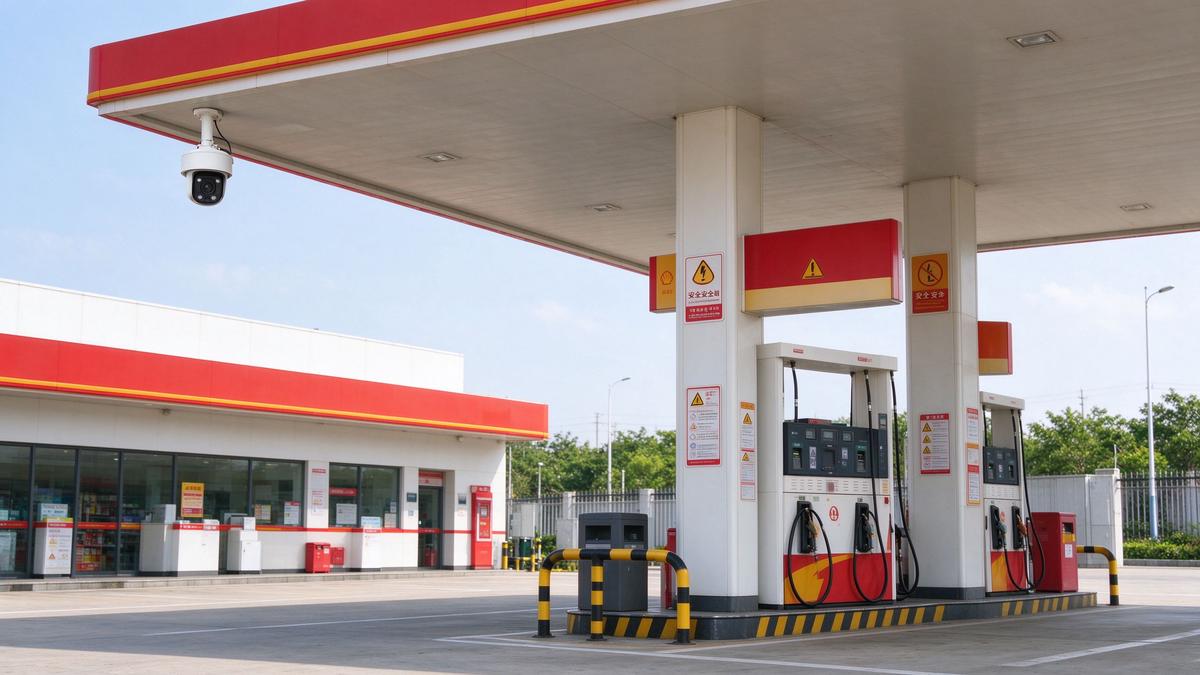
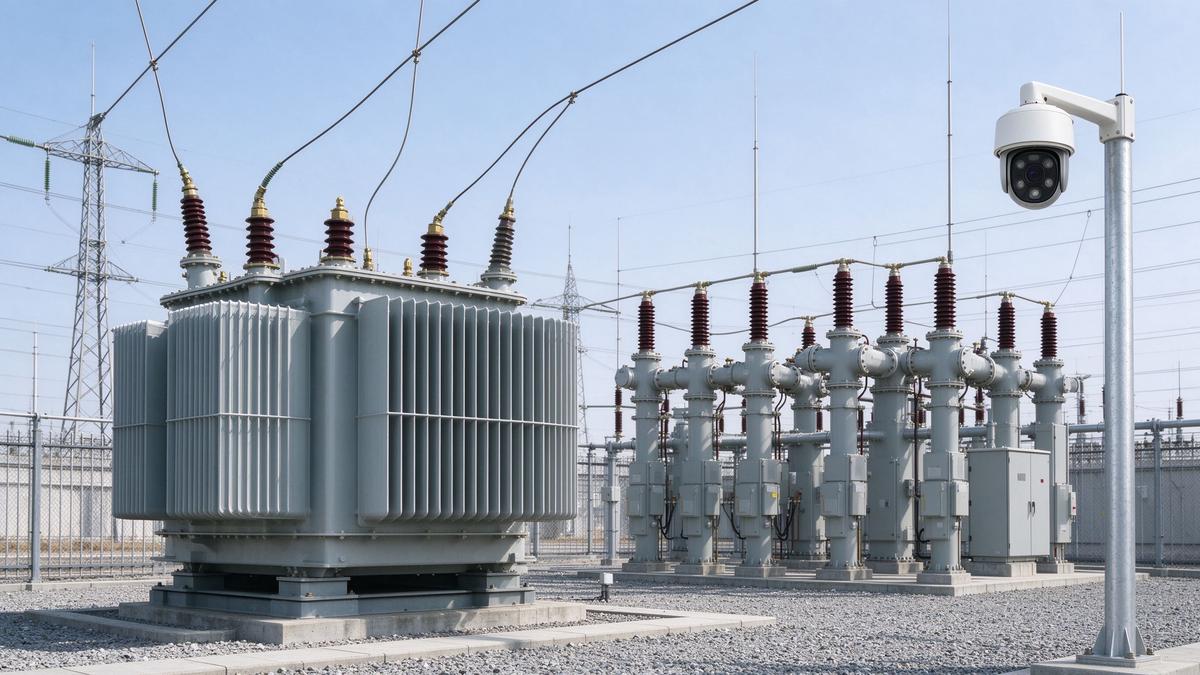
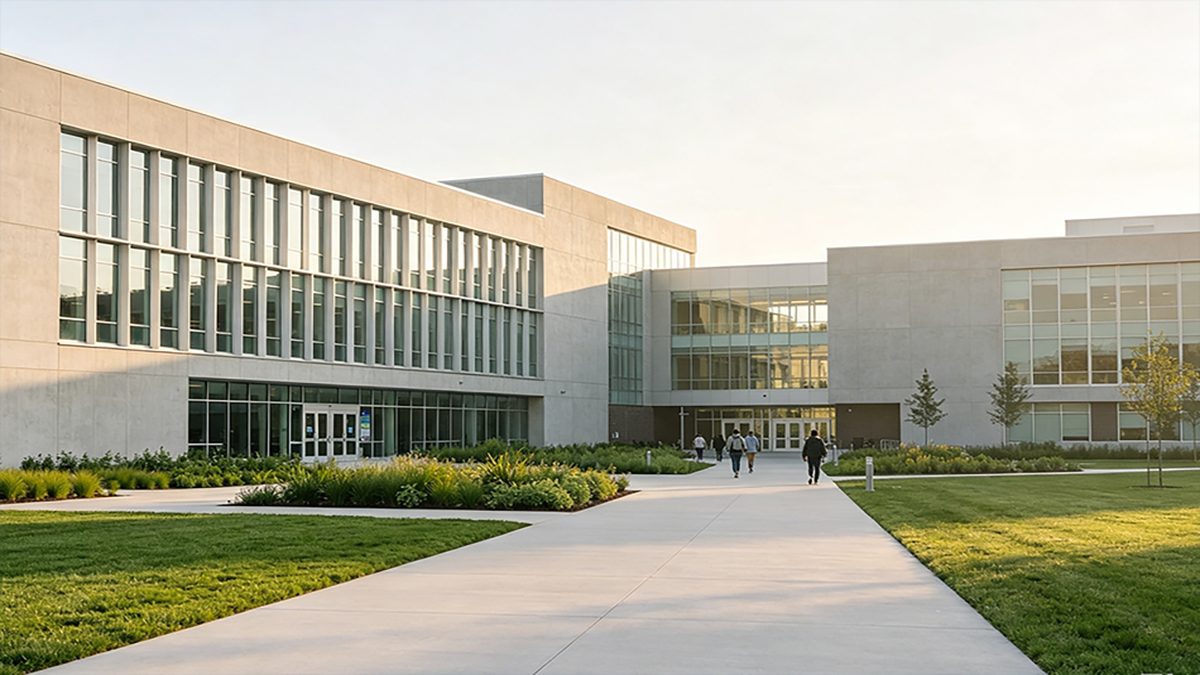
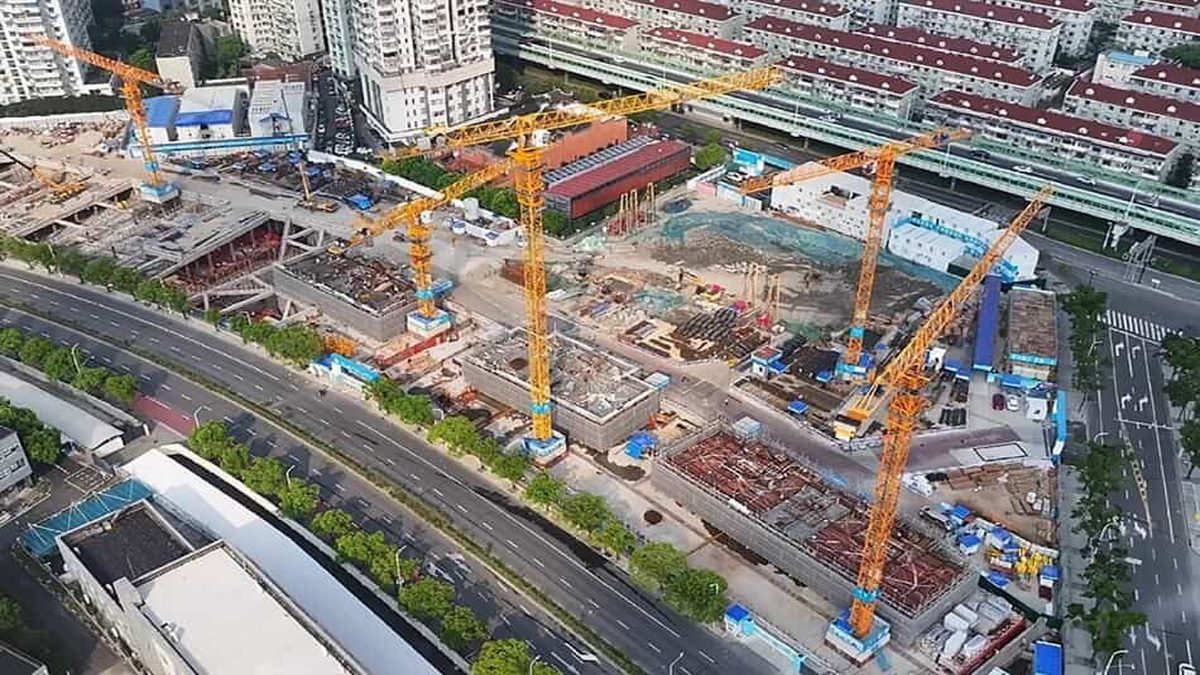
Medium-sized campuses, schools, factories, shopping malls, residential communities, etc., with dozens of legacy surveillance cameras. One-time transformation enables intelligent upgrading of the entire surveillance network.
Capacity and channel definition
The quoted channel count refers to live video channels under a baseline of 1080P, 25 fps, one algorithm per channel and one sampled frame every 2 seconds. Real capacity varies with three factors:
| Variable | Change | Effect on compute |
|---|---|---|
| Camera resolution | 2 MP → 4 MP | Decode and inference load per channel rises by 50%–100%; channel count drops |
| Sampling interval | 2 s → 1 s | Frames processed per second double; channel count roughly halves |
| Algorithms per channel | 1 → 2 | Inference calls double; channel count roughly halves |
Rule of thumb: convert by "resolution × sampling rate × algorithms per channel", then keep 30% headroom. 2 MP with 2-second sampling and a single algorithm corresponds to the quoted channel count; for 4 MP or 1-second sampling, plan for 50%–60% of it.
Dataflow architecture and effective compute
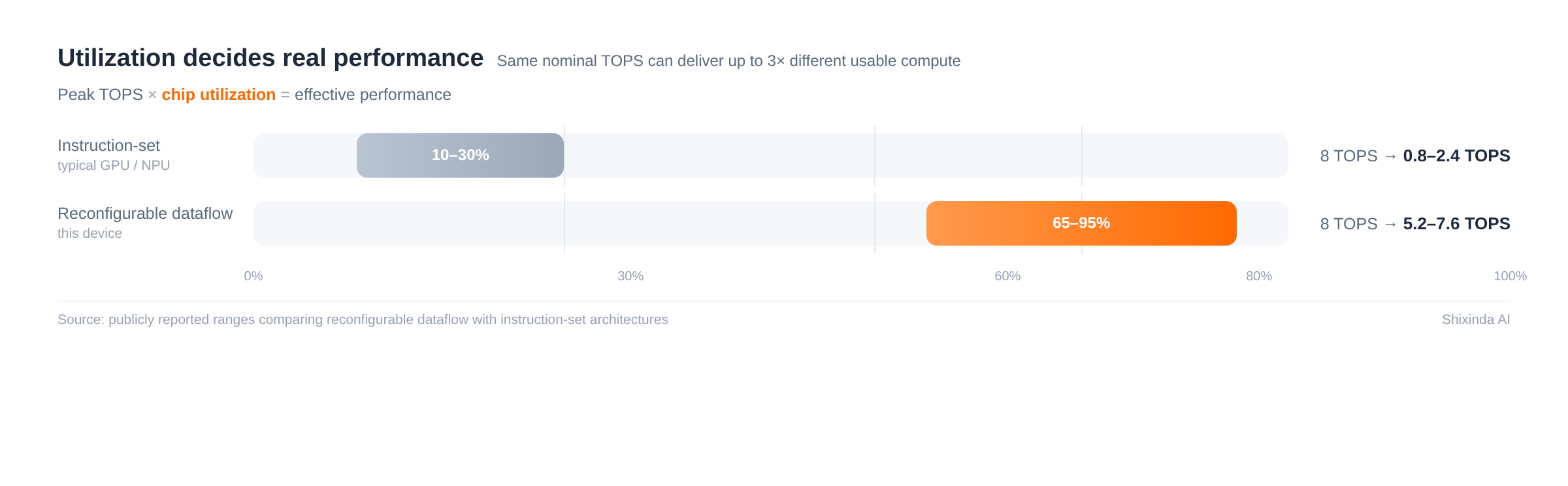
The nominal TOPS is only an upper bound — what determines real capacity is chip utilization. This device runs on a reconfigurable dataflow AI chip: the whole model is compiled into a data pipeline, so operands flow through the hardware and computation completes on the way, without repeatedly fetching instructions or moving intermediate results in and out of memory.
| Item | Instruction-set (typical GPU / NPU) | Dataflow (this device) |
|---|---|---|
| Execution | operators run one by one, intermediates round-trip through memory | operator graph compiled into a pipeline |
| Chip utilization (public comparison) | 10%–30% | 65%–95% |
| Effective compute at 8 TOPS | about 0.8–2.4 TOPS | about 5.2–7.6 TOPS |
| Channels at equal nominal TOPS | baseline | about 2–3× by median utilization |
| Model deployment | framework adaptation and manual tuning | in-house compiler, TensorFlow / PyTorch / ONNX compiled automatically |
Effective compute = peak TOPS × utilization. Three practical consequences: fewer devices for legacy upgrades (saving rack space and power), algorithms can be recompiled and redeployed without replacing hardware, and utilization stays high under concurrent decoding plus inference.
Utilization figures are publicly reported architecture ranges; measured values vary with operator structure, input resolution and batching strategy.
Algorithms
Algorithms are grouped into six scenario families, covering 460+ fine-grained scenarios. Which ones are enabled is selected per project and confirmed in the delivery list.
| Scenario family | Representative algorithms | Typical locations |
|---|---|---|
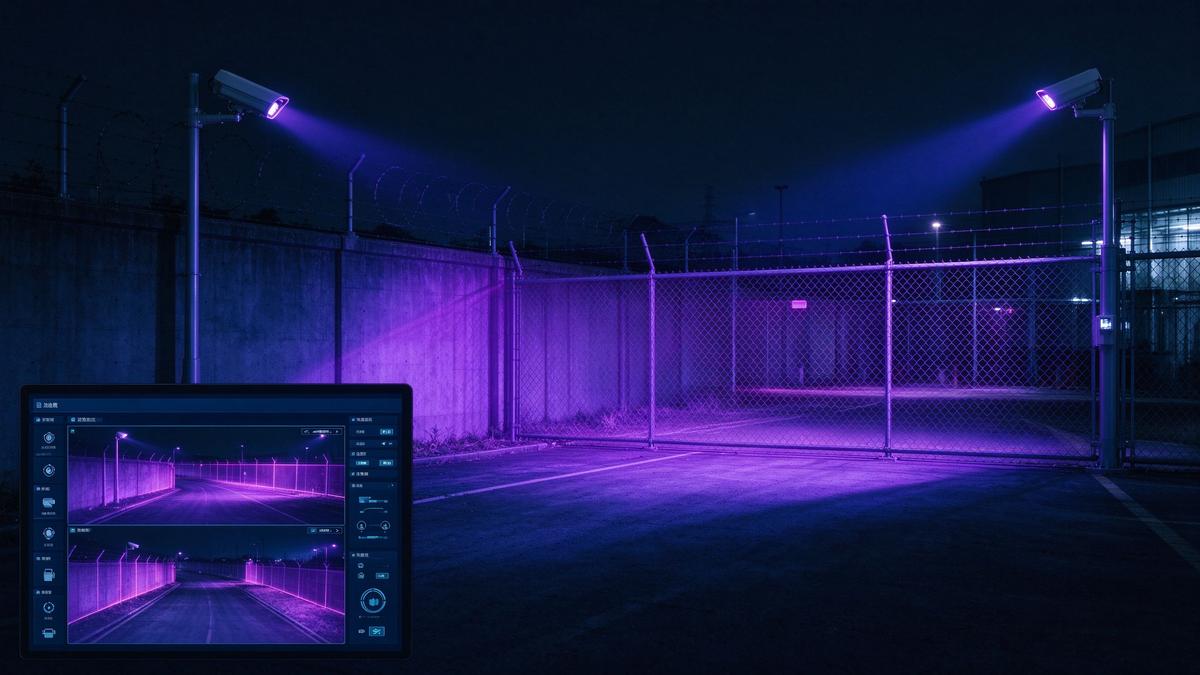
| People and attendance | intrusion, line crossing, loitering, lingering, climbing, fall, on-duty status, PPE compliance, helmet / vest / uniform / mask / glove detection | perimeter, guard room, work area |
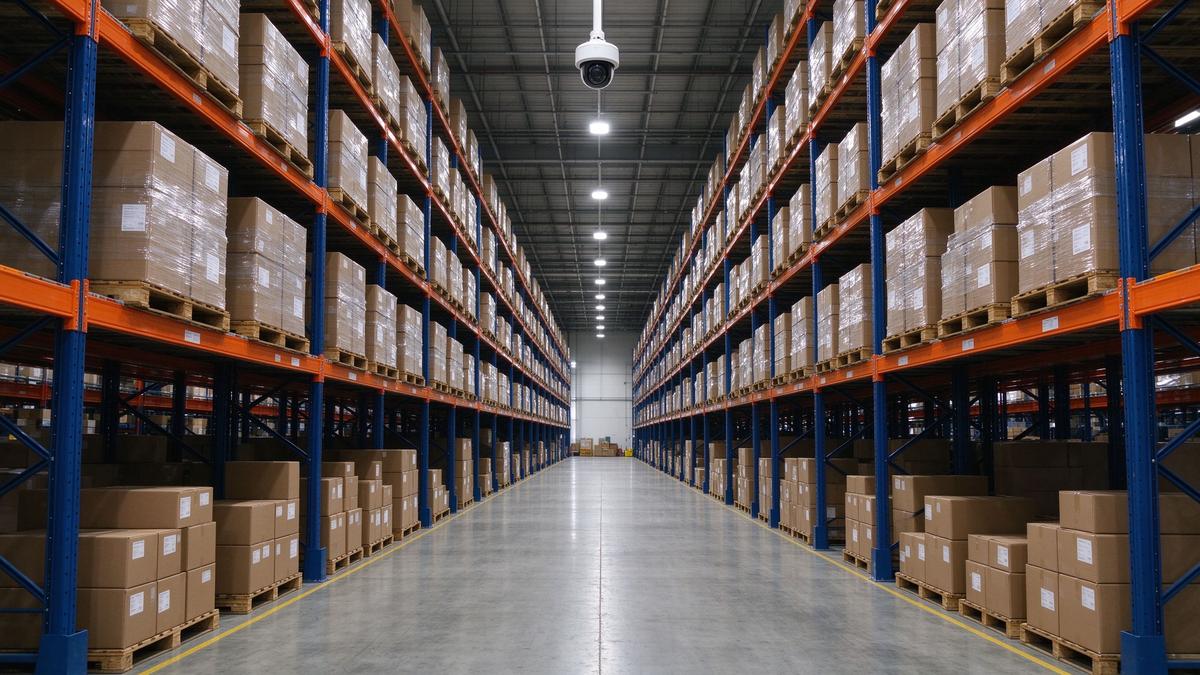
| Safety and fire | smoke, open flame, fire lane obstruction, restricted-area intrusion, blocked passage, gas leak, static discharge | warehouse, switch room, kitchen, hazardous area |
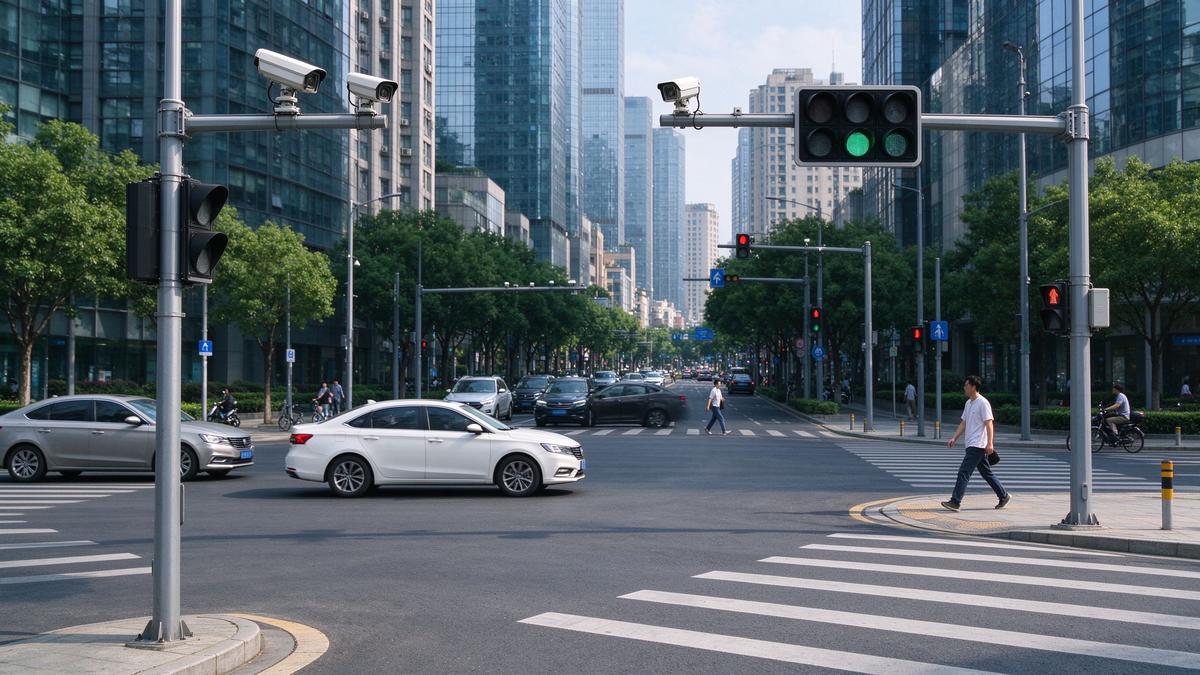
| Vehicles and traffic | plate recognition, illegal parking, wrong-way driving, traffic counting, non-motor vehicle intrusion, engineering vehicles, height limit | campus gate, site entrance, road |
| Objects and facilities | material stacking, pallets, shelf gaps, equipment status, gauge reading, conveyor anomaly | workshop, warehouse, power room |
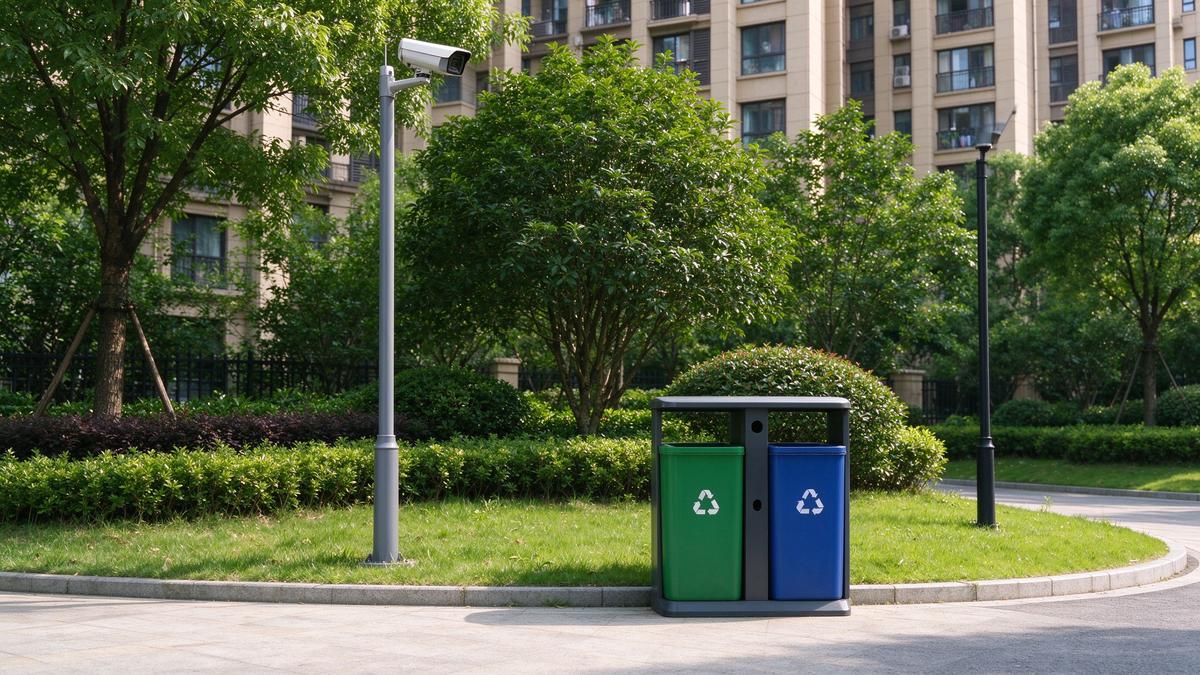
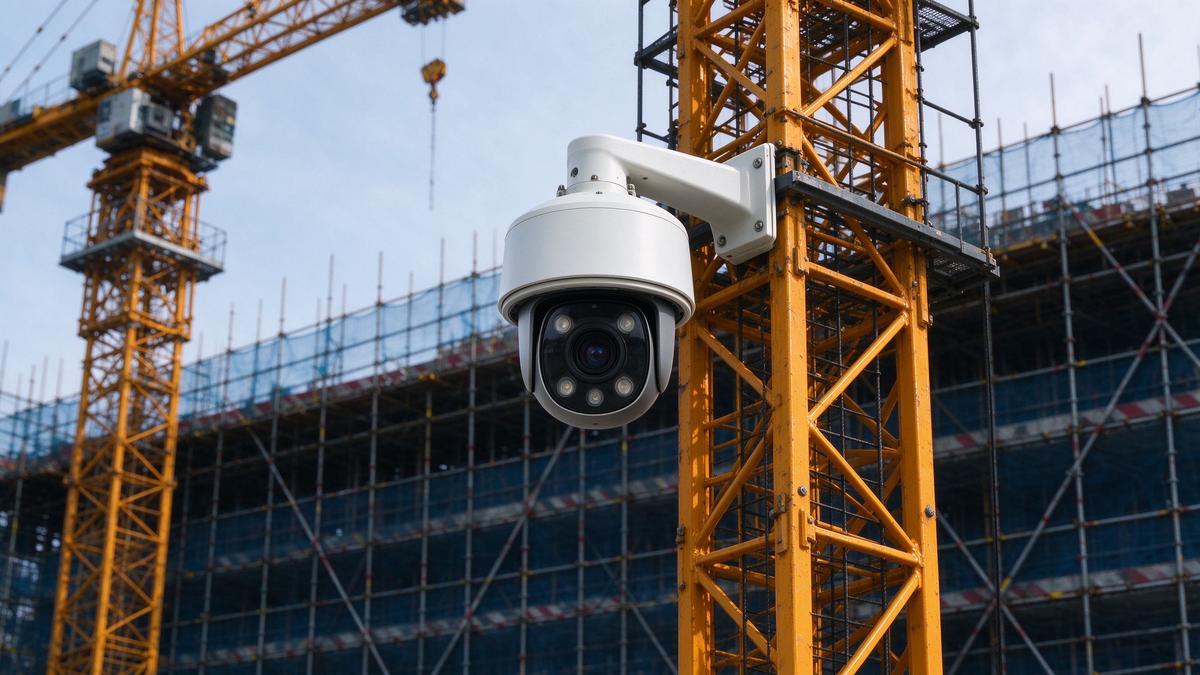
| Environment and order | bin overflow, standing water, dust, street occupation, clutter | site roads, waste room, construction area |
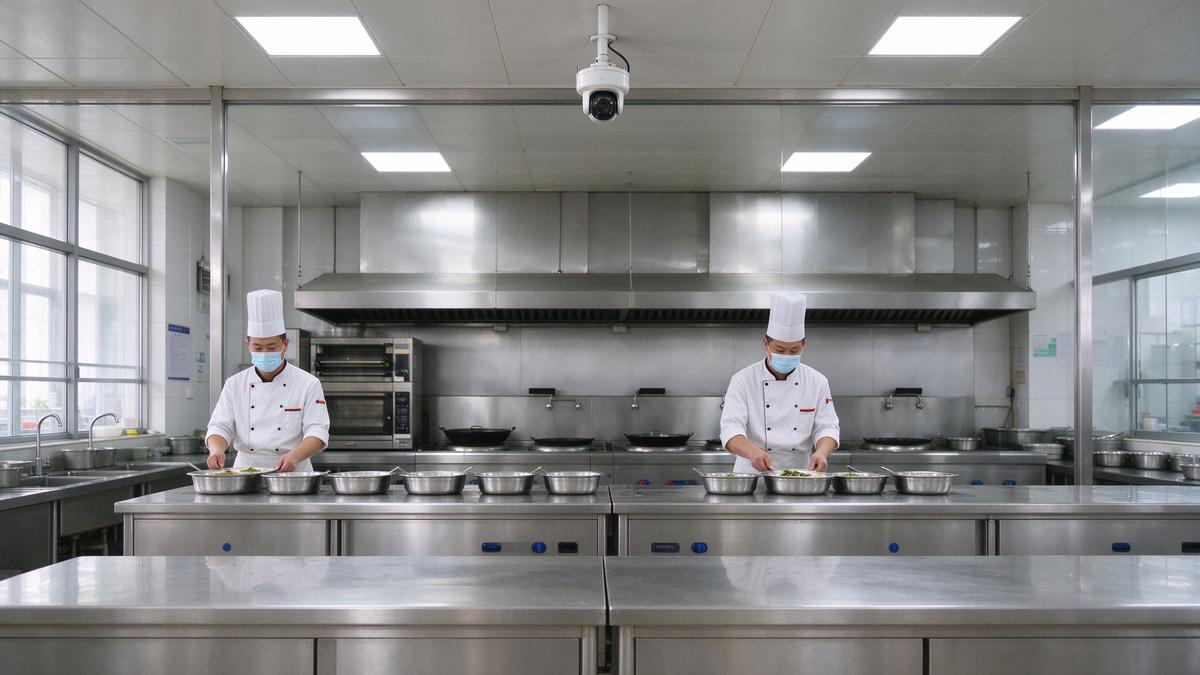
| Food and kitchen | kitchen uniform, rodent detection, sample retention, tableware sanitising, cold-chain temperature | school and staff canteens |
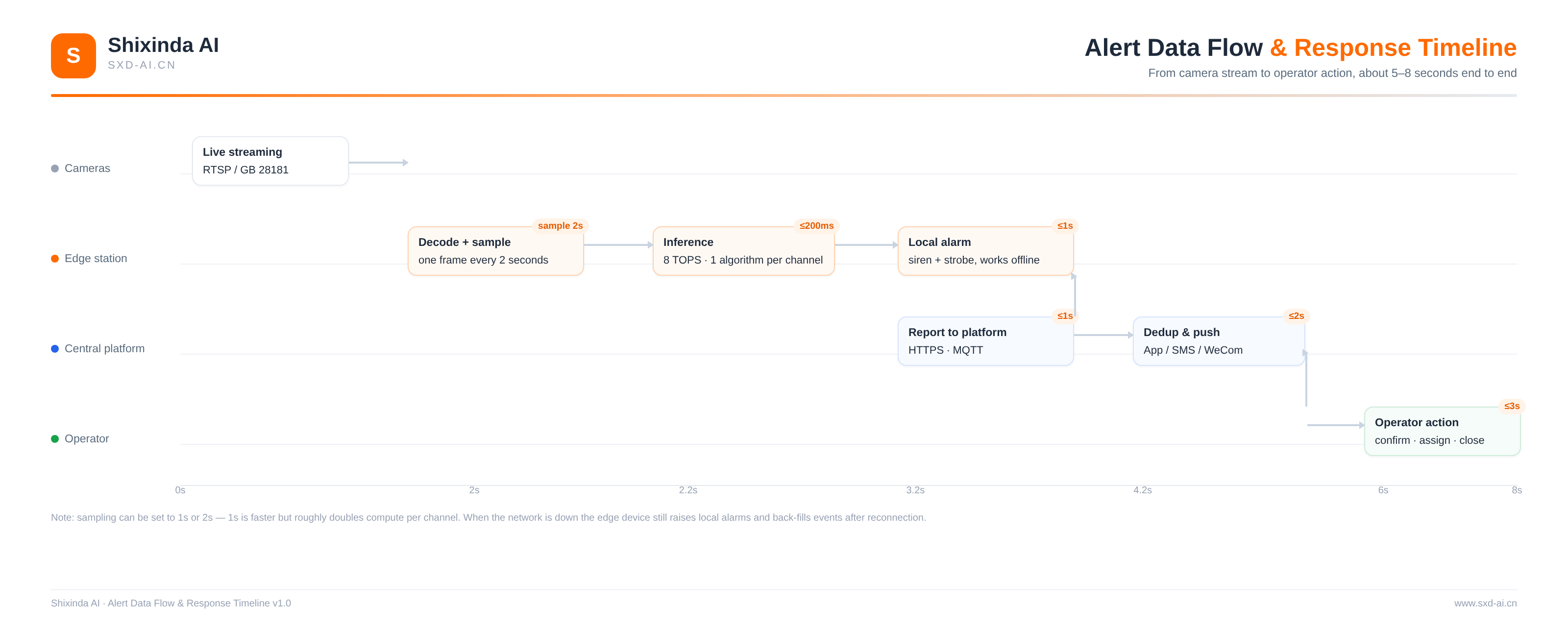
Alert data flow
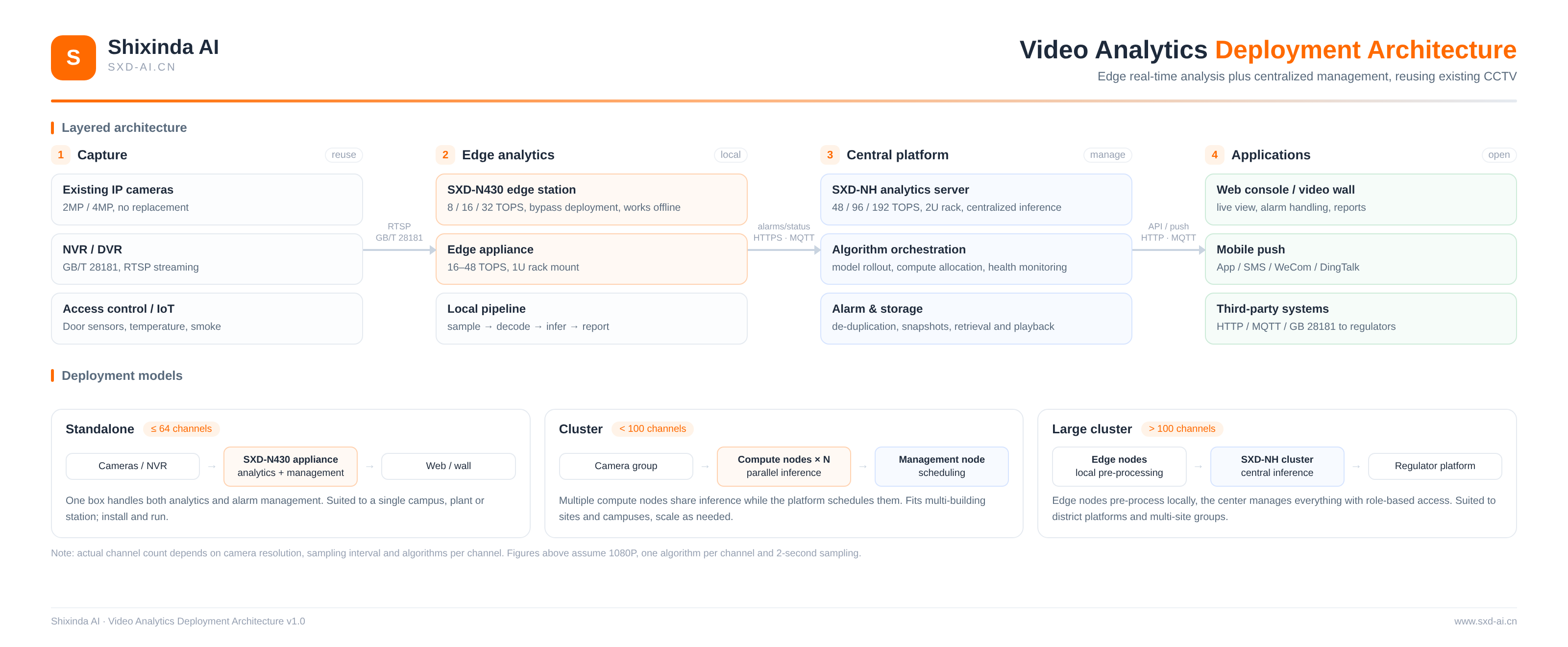
Deployment architecture
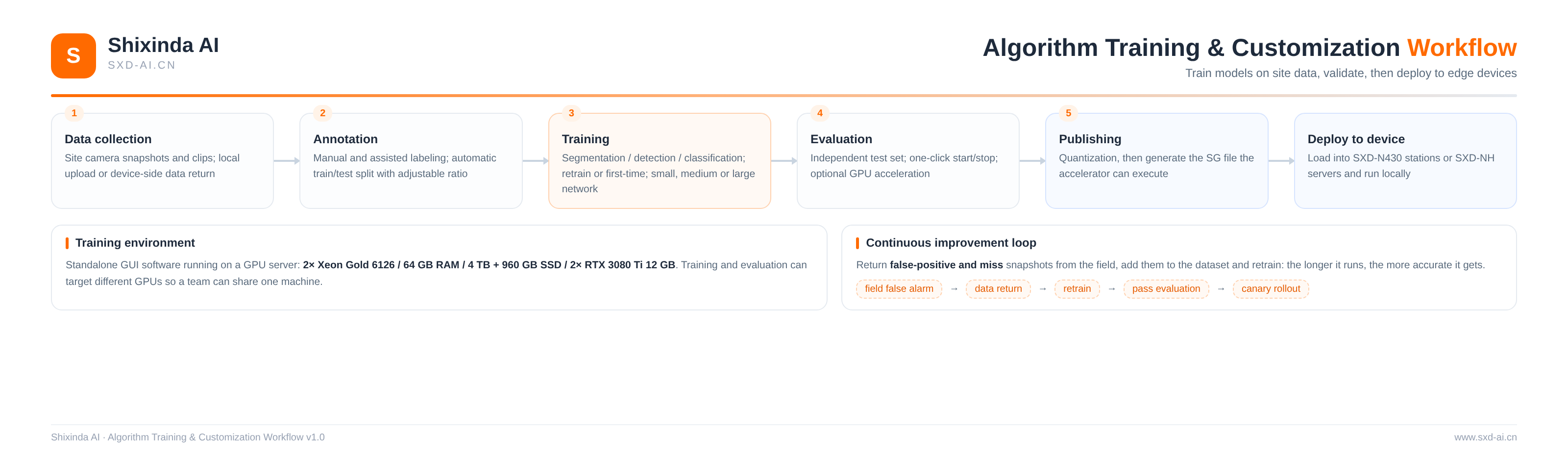
Algorithm training & customization
Shixinda AI also provides an algorithm training platform: annotate site data, train segmentation / detection / classification models, evaluate, then publish a quantized SG file and load it onto the edge devices.
相关推荐
- 产品:[sxd-x460h-accelerator](/zh/products/SXD-X460H 高性能智算加速卡)
- 产品:[sxd-x6a-edge-box](/zh/products/SXD-X6A 边缘智能分析盒子)
- 产品:[sxd-n430-8-station](/zh/products/SXD-N430-8 边缘分析小站(8 TOPS))
- 方案:edu-smart-campus
- 方案:edu-classroom-management
References
Related Chinese regulations and standards for further reference:
- 《公共安全视频监控联网系统信息传输、交换、控制技术要求》(GB/T 28181) — official source
- 《中华人民共和国数据安全法》 — official source
Applications


Core Features
This section is pending content and will appear once filled in the admin.
This section is pending content and will appear once filled in the admin.
This section is pending content and will appear once filled in the admin.
This section is pending content and will appear once filled in the admin.
Specifications
| Item | Specification |
|---|---|
| Processor | 24-core ARM Cortex-A55 @1.6GHz |
| AI Computing Power | 16 TOPS@INT8 (supports INT16, FP32) |
| Video Capability | 32 channels H.264/H.265 1080p@25fps decoding; 8 channels H.265 1080p@25fps encoding |
| System Memory | 8GB |
| AI Memory | 16GB |
| Storage | 64GB eMMC; supports expansion via 2.5" SATA HDD and M.2 SSD |
| Wireless Expansion | 4G/5G module (M.2 B-Key), WiFi module (optional) |
| External Interfaces | USB3.0×3, LAN×2, RS485×1, RS232×1, HDMI×1, Audio×1, DI/O×4, MicroSD×1, MicroSIM×1 |
| Power Supply | 12VDC 5A |
| Typical Power Consumption | 30W |
| Cooling Method | Passive Cooling |
| Dimensions | 215mm × 200mm × 44mm (Standard 1U Height) |
| Operating Temperature | -20℃ to 60℃ (in ventilated environment) |
| Operating Humidity | <95% |
FAQ
Does SXD-N430-16 work with our existing cameras?
Yes. It connects to existing IP cameras over RTSP or GB/T 28181 and keeps your current cameras and NVR, so no camera replacement is needed.
How many channels can SXD-N430-16 handle?
The rated capacity is %s. Actual capacity changes with camera resolution, frame sampling interval and the number of algorithms per channel.
What is included in delivery?
Supply, on-site installation and commissioning, platform integration and operator training, with remote support afterwards.
Related Products
View All →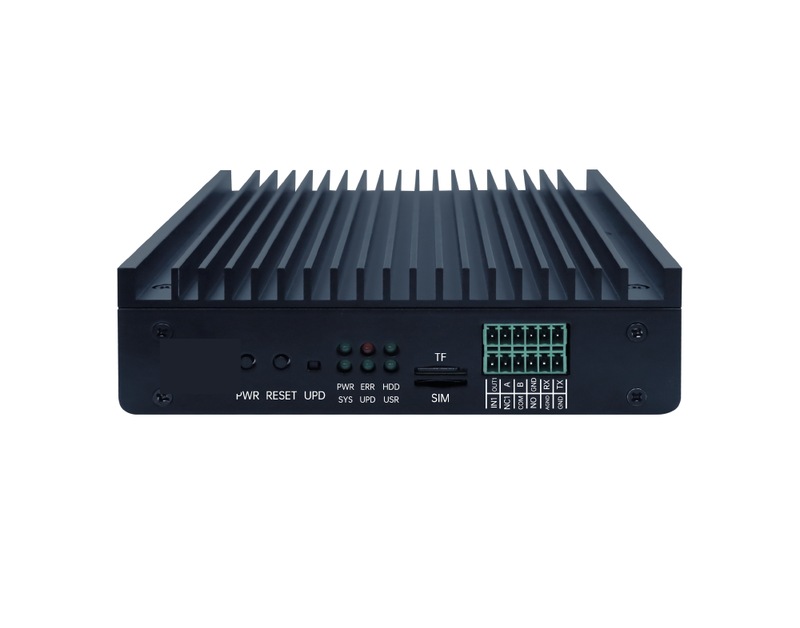
Shixinda AI’s AI Video Analytics Edge Mini Station
8 TOPSLegacy Cameras + AI Brain: Deployed as a side-attached unit to your existing surveillance system without replacing front-end devices or modifying wiring, it can…
Learn More →Shixinda AI SXD-N430-8 Edge Analytics Station
8 TOPS8 TOPS 带 PoE 供电的小站,摄像头可直接接入,省掉单独交换机。 8 TOPS edge station, 8 channels by default, for small sites and branches.
Learn More →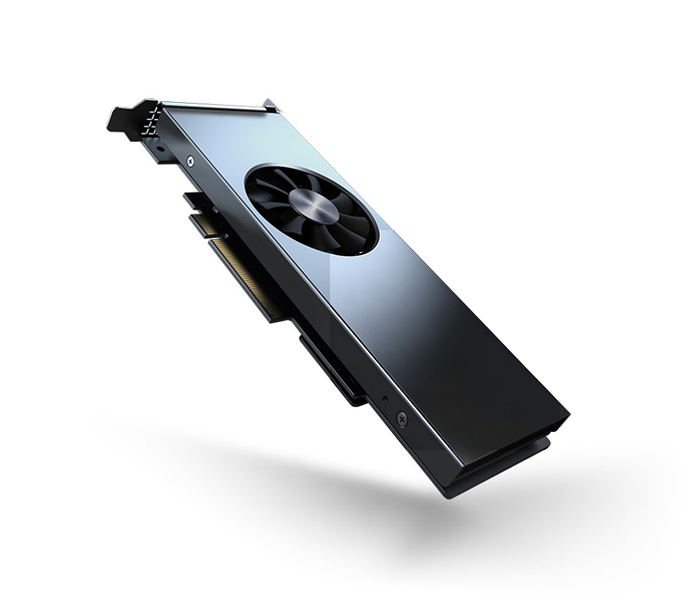
Shixinda AI SXD-X6A Edge Intelligence Analytics Box
Shixinda AI Compact Edge AI Analytics Box, featuring a low-power design, ideal for distributed deployment scenarios such as small sites, retail stores, gas stat…
Learn More →Shixinda AI SXD-N430-16P Edge Analytics Station
16 TOPSShixinda AI High-performance Edge AI Analytics Device, featuring 16 TOPS peak computing power, supports real-time analysis of 16 channels of HD video, and is id…
Learn More →← PrevShixinda AI’s AI Video Analytics Edge Mini Station (8 TOPS)Next →Shixinda AI AI Video Analytics Edge All-in-One Device (16-48 TOPS)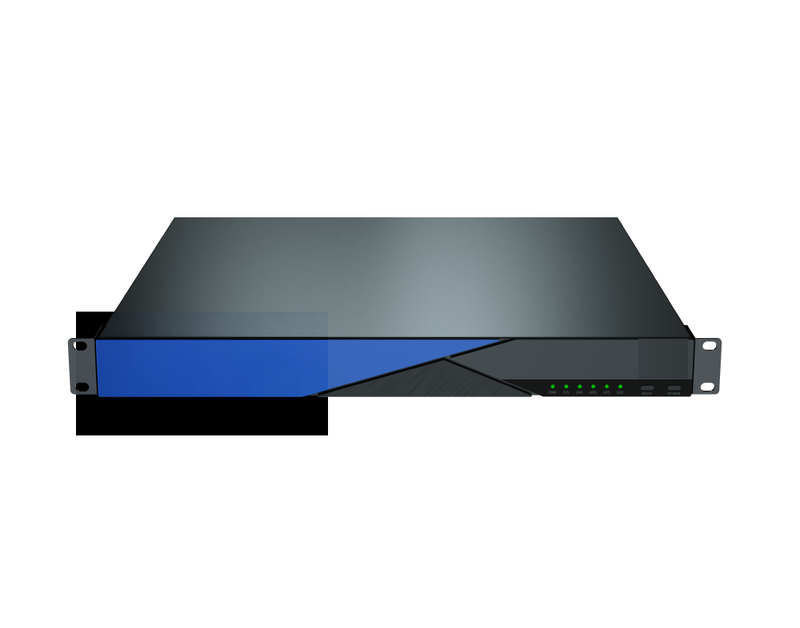
Ready to go smart?
Leave a message or call us for tailored selection advice.