




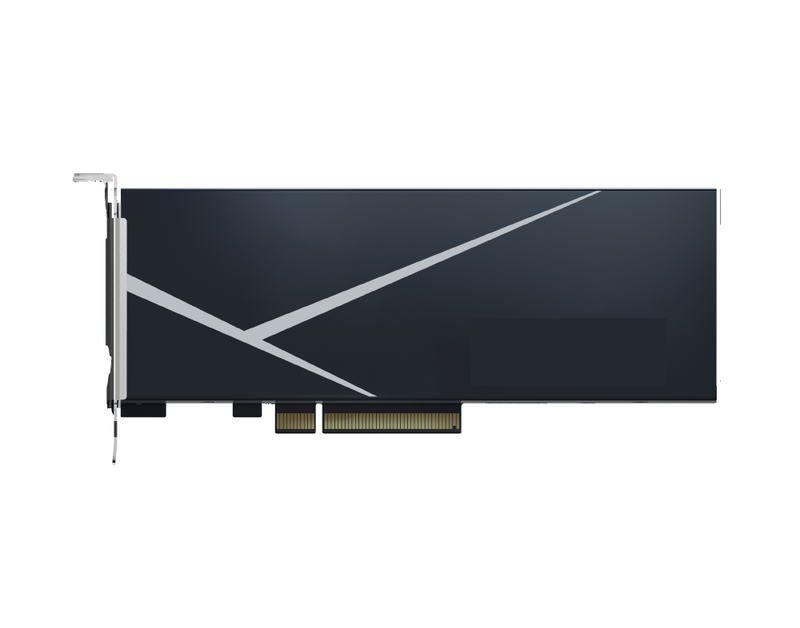
Shixinda AI’s AI Accelerator Card (48 TOPS)
Specification · PCIe Card · 72-core AI Inference Engine
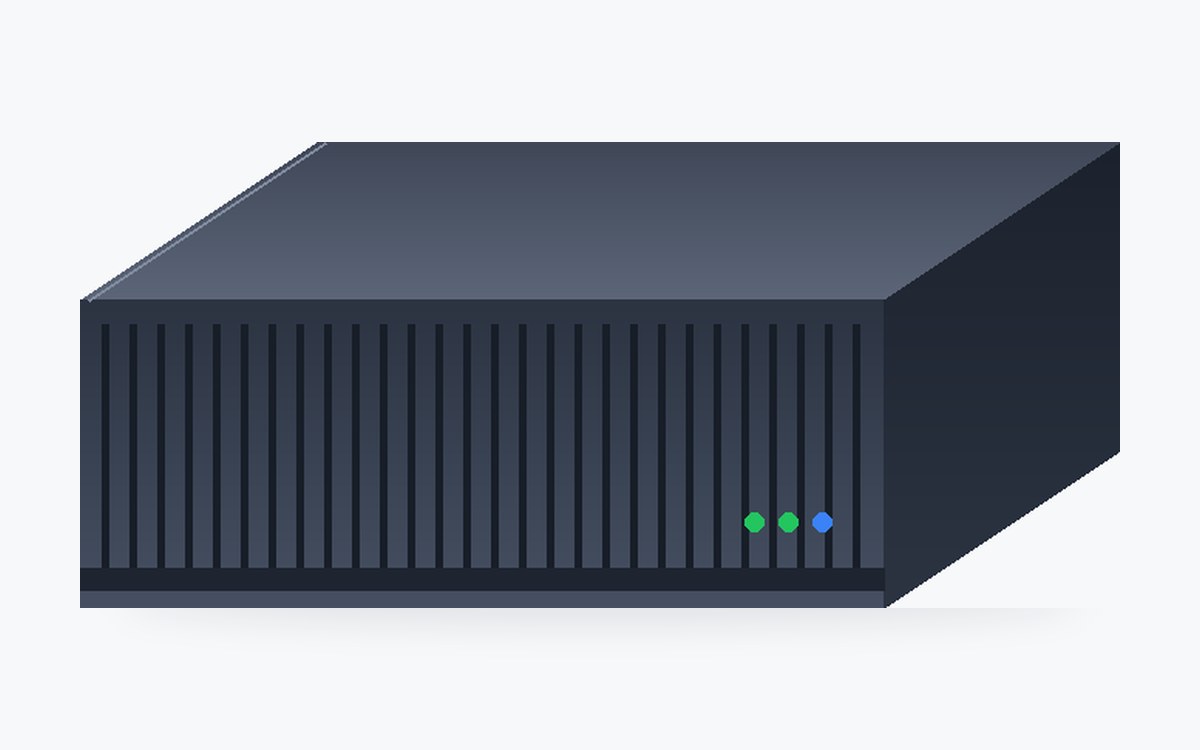
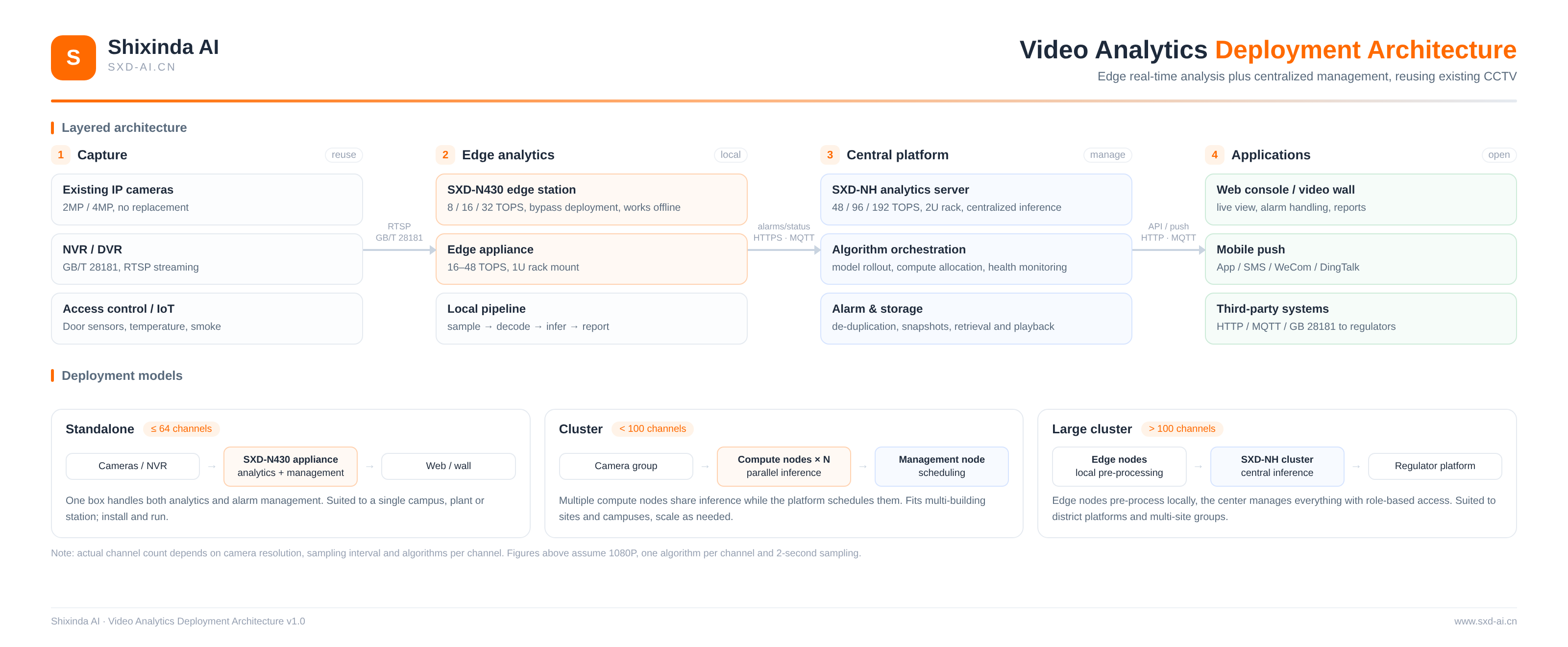
Old Servers + Shixinda AI Core: Insert Shixinda AI accelerator card into existing servers to upgrade the computing power of monitoring centers without replacing…
No. shixinda-ais-ai-accelerator-card-48-tops · 2026-11-20
Overview
Product Overview: Legacy Servers + AI Brain
Shixinda AI’s AI Accelerator Card (48 TOPS) is designed for computing power upgrade and transformation of existing servers. Existing X86/ARM servers in monitoring centers do not need to be replaced; inserting this accelerator card directly delivers 48 TOPS AI computing power, enabling video intelligent analysis capabilities for legacy monitoring systems. It is a low-cost, quick-to-implement solution for central computing power transformation.
Upgrade & Transformation Values
- Reuse Entire Server: Upgrade by directly inserting the card into existing servers, no need to replace the entire unit.
- Rapid Deployment: Standard PCIe interface, plug-and-play.
- Cluster Expansion: Add cards on demand, computing power expands smoothly with the scale of transformation.
- Compatible with Mainstream Servers: Widely compatible with X86 and ARM architectures.
Core Features
- High Performance: 48 TOPS peak computing power, multi-core AI inference engine.
- High Utilization: Up to 90% end-to-end computing power utilization, with high actual measured computing power.
- Cluster Inference: Supports large-scale AI inference applications on server clusters.
Typical Transformation Scenarios
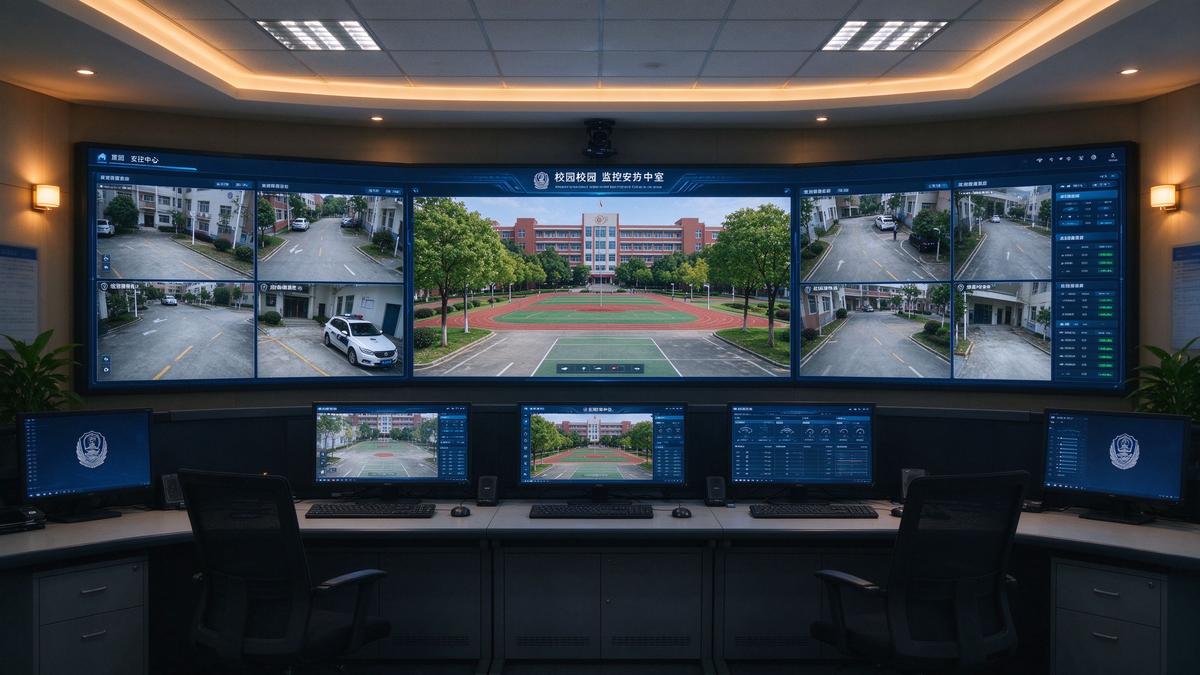
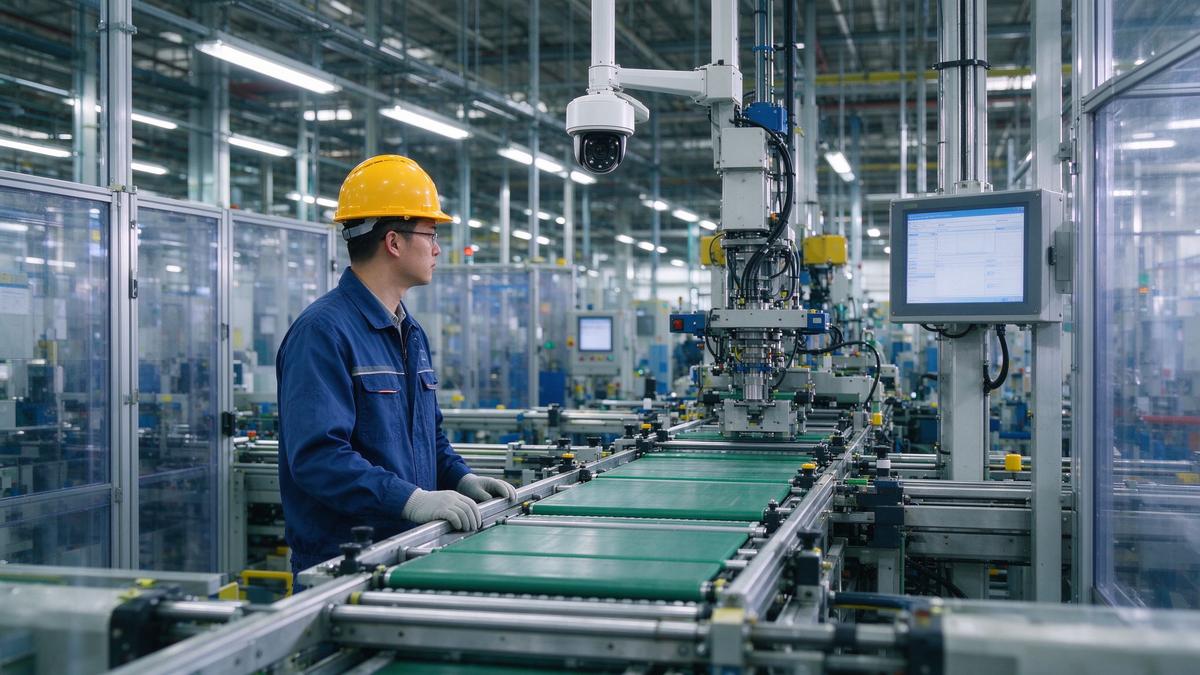
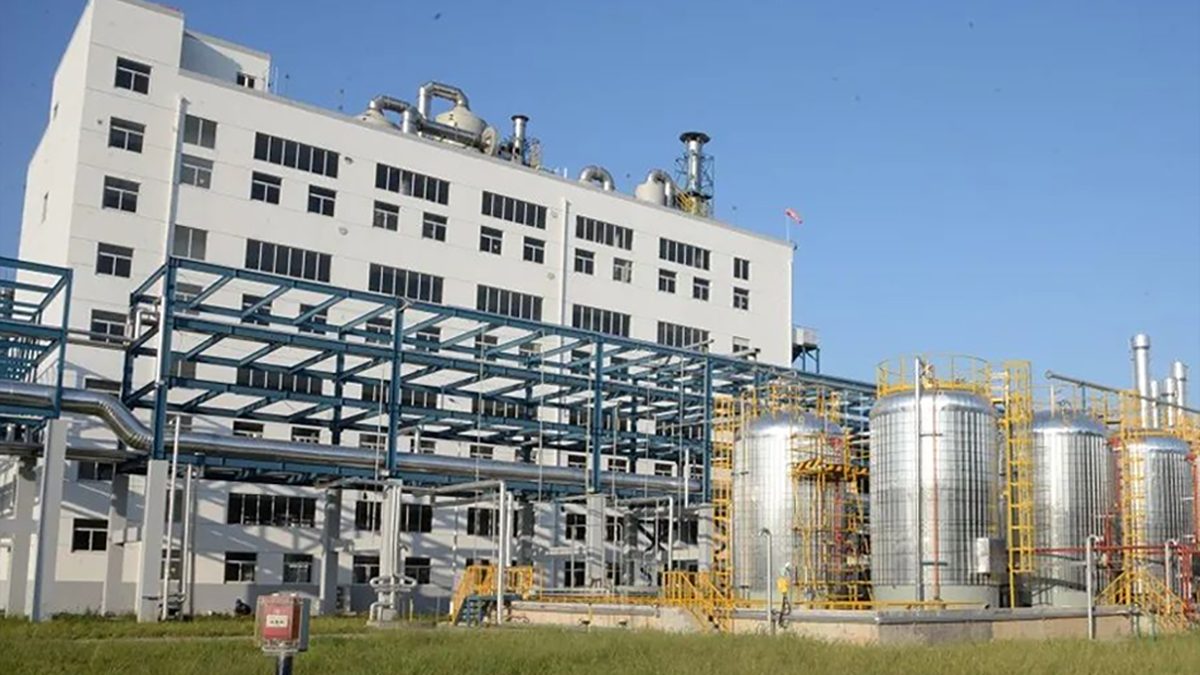
Computing power upgrade for existing server resources in monitoring centers, large-scale video inference transformation for clusters, and other relevant scenarios.
Capacity and channel definition
The quoted channel count refers to live video channels under a baseline of 1080P, 25 fps, one algorithm per channel and one sampled frame every 2 seconds. Real capacity varies with three factors:
| Variable | Change | Effect on compute |
|---|---|---|
| Camera resolution | 2 MP → 4 MP | Decode and inference load per channel rises by 50%–100%; channel count drops |
| Sampling interval | 2 s → 1 s | Frames processed per second double; channel count roughly halves |
| Algorithms per channel | 1 → 2 | Inference calls double; channel count roughly halves |
Rule of thumb: convert by "resolution × sampling rate × algorithms per channel", then keep 30% headroom. 2 MP with 2-second sampling and a single algorithm corresponds to the quoted channel count; for 4 MP or 1-second sampling, plan for 50%–60% of it.
Dataflow architecture and effective compute
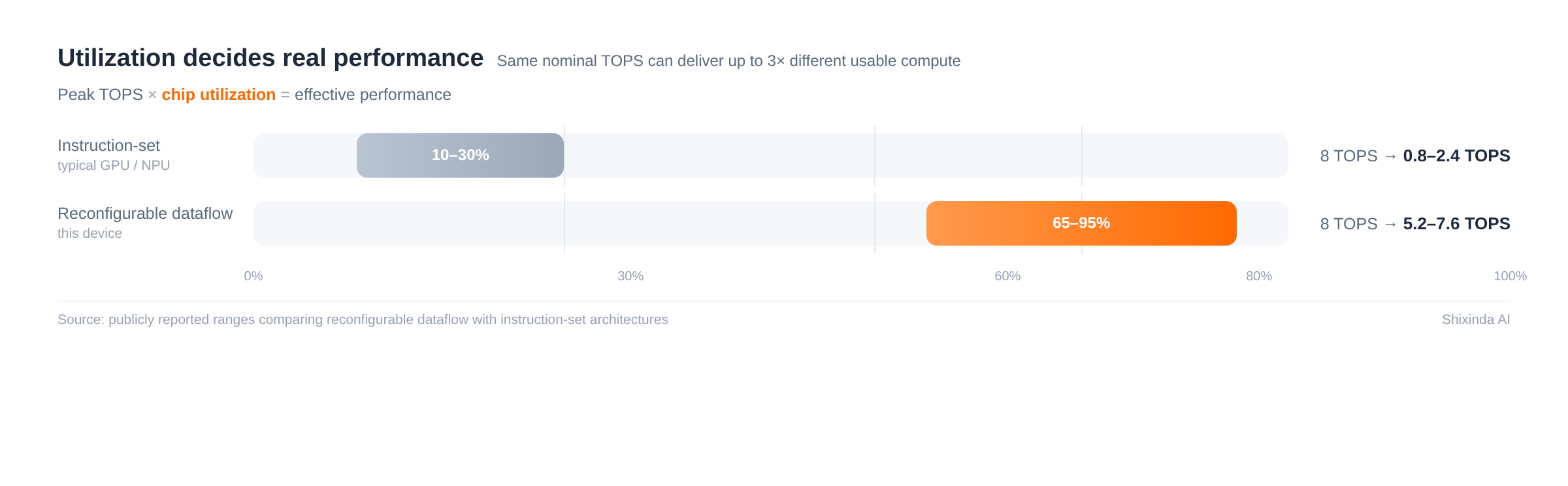
The nominal TOPS is only an upper bound — what determines real capacity is chip utilization. This device runs on a reconfigurable dataflow AI chip: the whole model is compiled into a data pipeline, so operands flow through the hardware and computation completes on the way, without repeatedly fetching instructions or moving intermediate results in and out of memory.
| Item | Instruction-set (typical GPU / NPU) | Dataflow (this device) |
|---|---|---|
| Execution | operators run one by one, intermediates round-trip through memory | operator graph compiled into a pipeline |
| Chip utilization (public comparison) | 10%–30% | 65%–95% |
| Effective compute at 8 TOPS | about 0.8–2.4 TOPS | about 5.2–7.6 TOPS |
| Channels at equal nominal TOPS | baseline | about 2–3× by median utilization |
| Model deployment | framework adaptation and manual tuning | in-house compiler, TensorFlow / PyTorch / ONNX compiled automatically |
Effective compute = peak TOPS × utilization. Three practical consequences: fewer devices for legacy upgrades (saving rack space and power), algorithms can be recompiled and redeployed without replacing hardware, and utilization stays high under concurrent decoding plus inference.
Utilization figures are publicly reported architecture ranges; measured values vary with operator structure, input resolution and batching strategy.
Algorithms
Algorithms are grouped into six scenario families, covering 460+ fine-grained scenarios. Which ones are enabled is selected per project and confirmed in the delivery list.
| Scenario family | Representative algorithms | Typical locations |
|---|---|---|
| People and attendance | intrusion, line crossing, loitering, lingering, climbing, fall, on-duty status, PPE compliance, helmet / vest / uniform / mask / glove detection | perimeter, guard room, work area |
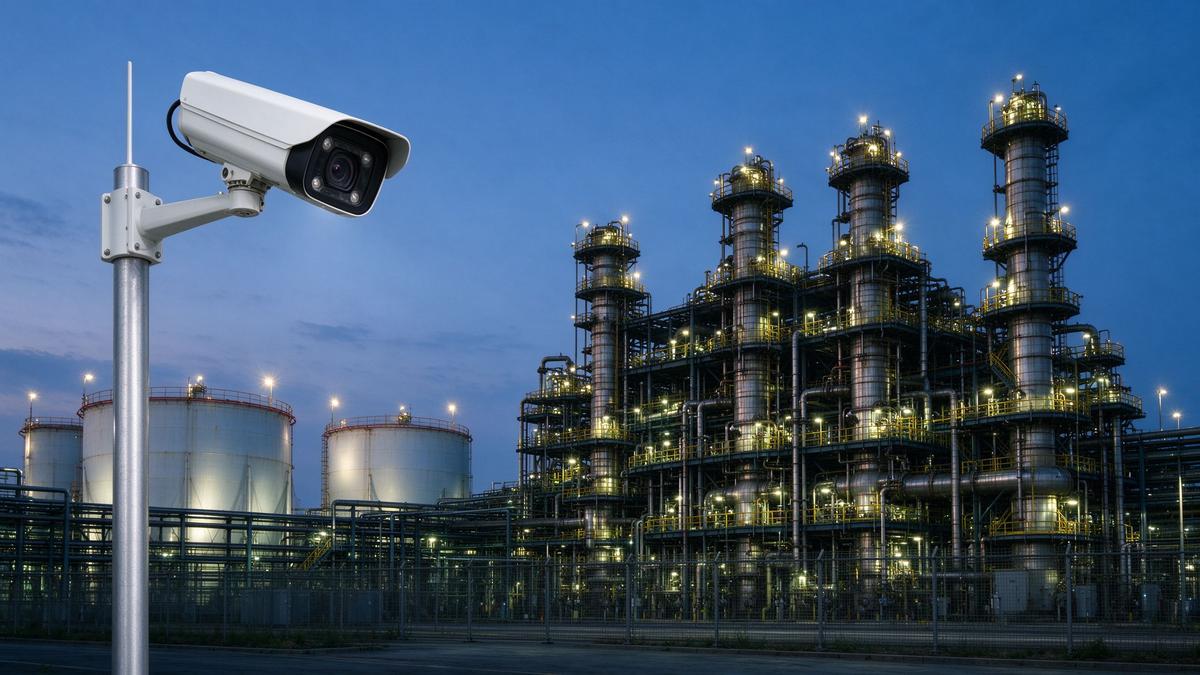
| Safety and fire | smoke, open flame, fire lane obstruction, restricted-area intrusion, blocked passage, gas leak, static discharge | warehouse, switch room, kitchen, hazardous area |
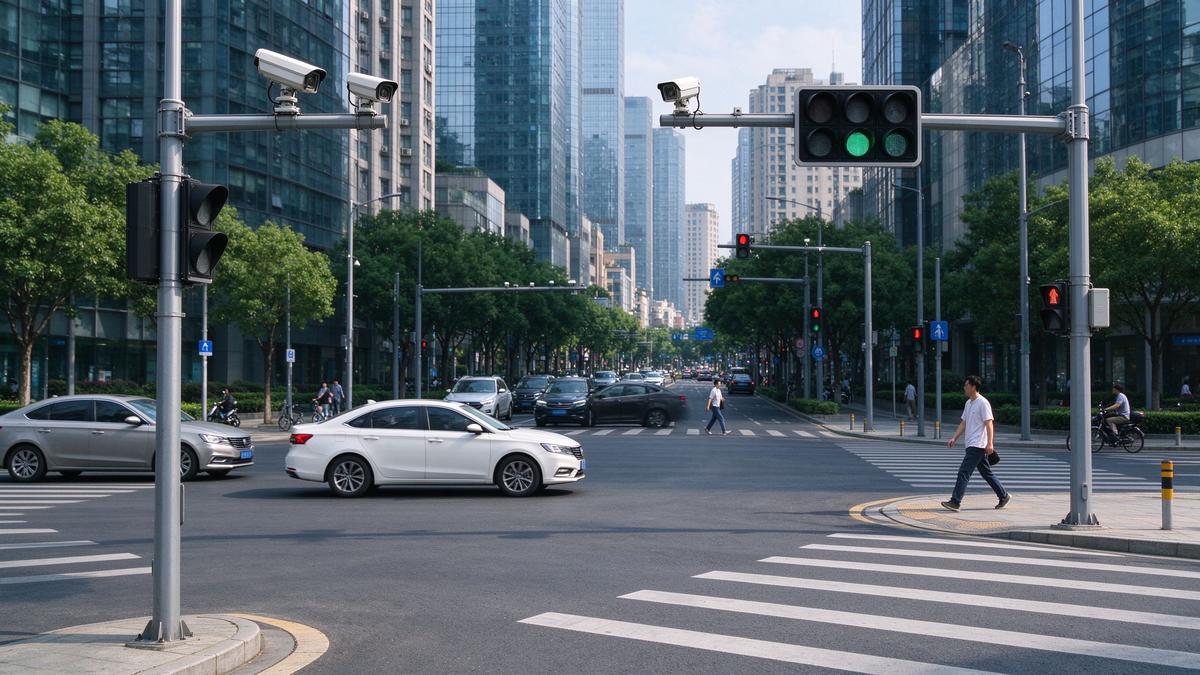
| Vehicles and traffic | plate recognition, illegal parking, wrong-way driving, traffic counting, non-motor vehicle intrusion, engineering vehicles, height limit | campus gate, site entrance, road |
| Objects and facilities | material stacking, pallets, shelf gaps, equipment status, gauge reading, conveyor anomaly | workshop, warehouse, power room |
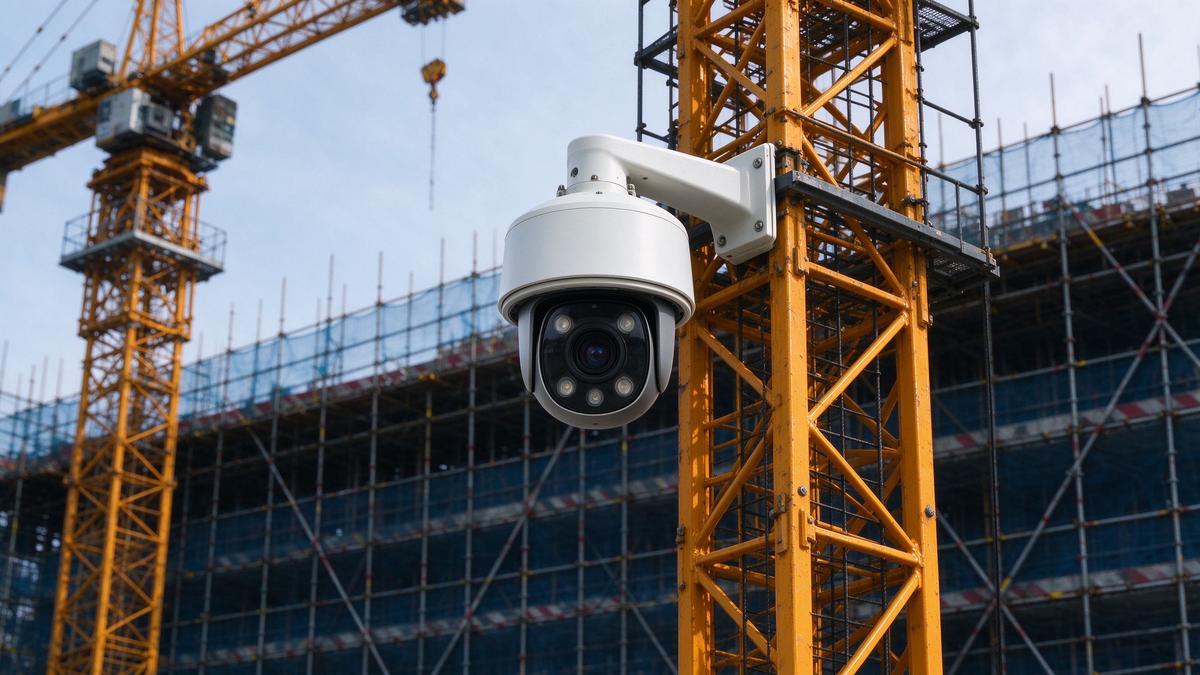
| Environment and order | bin overflow, standing water, dust, street occupation, clutter | site roads, waste room, construction area |
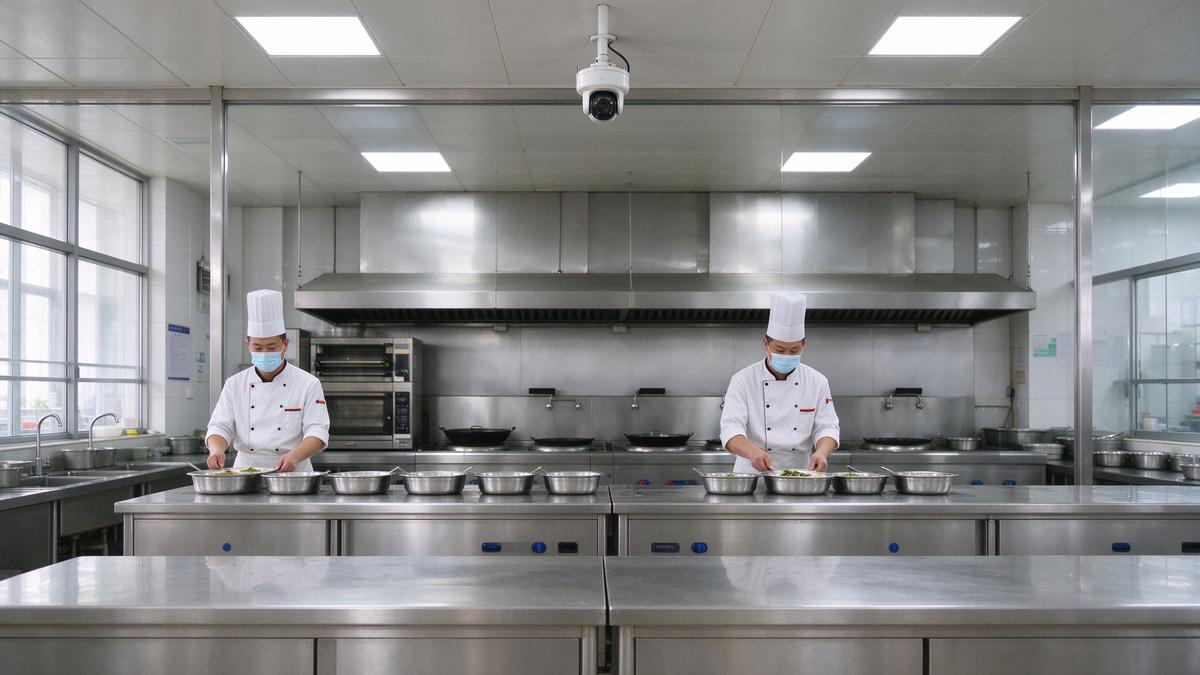
| Food and kitchen | kitchen uniform, rodent detection, sample retention, tableware sanitising, cold-chain temperature | school and staff canteens |
Alert data flow
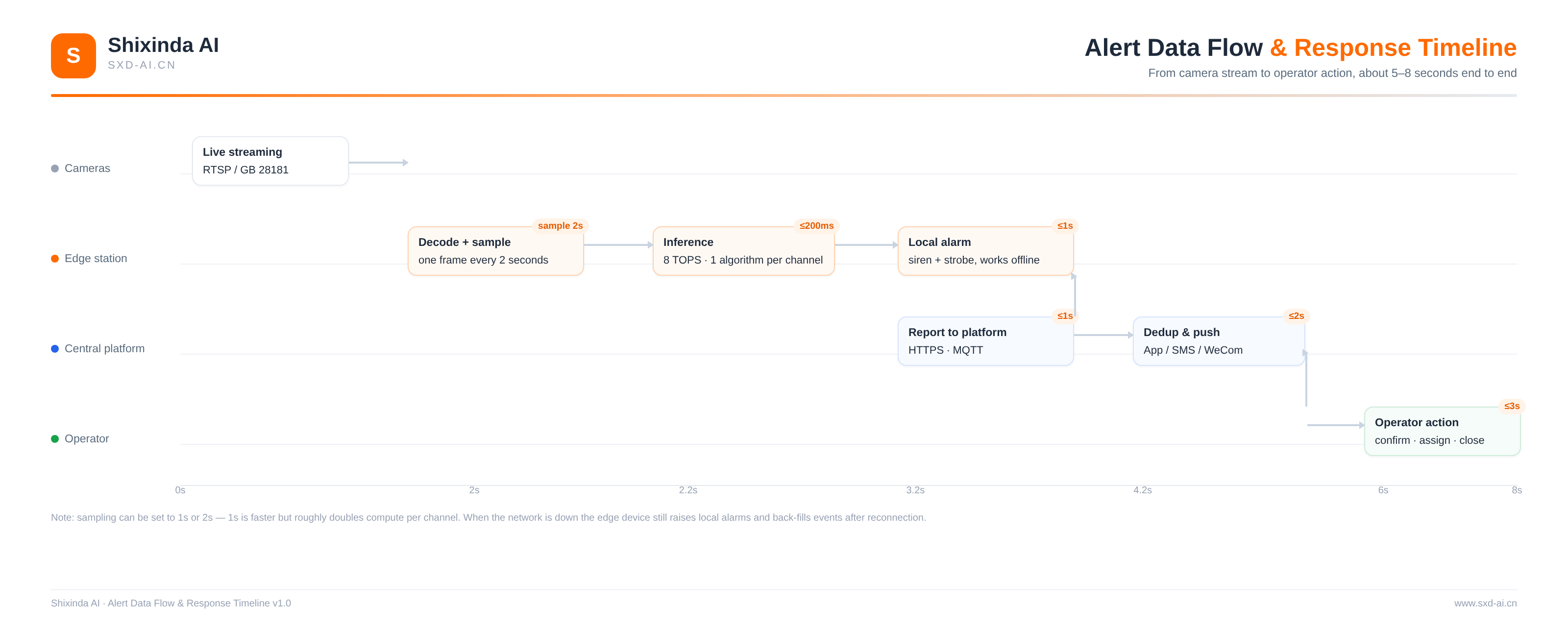
Deployment architecture
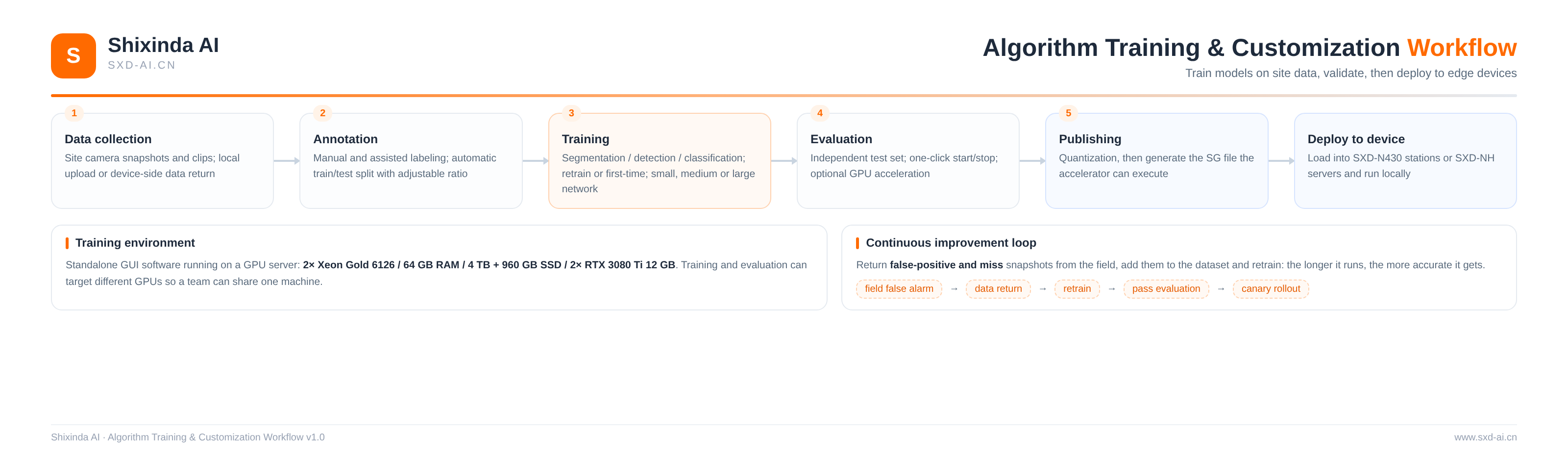
Algorithm training & customization
Shixinda AI also provides an algorithm training platform: annotate site data, train segmentation / detection / classification models, evaluate, then publish a quantized SG file and load it onto the edge devices.
相关推荐
- 产品:[sxd-x460h-accelerator](/zh/products/SXD-X460H 高性能智算加速卡)
- 产品:[sxd-x6a-edge-box](/zh/products/SXD-X6A 边缘智能分析盒子)
- 产品:[sxd-n430-8-station](/zh/products/SXD-N430-8 边缘分析小站(8 TOPS))
- 方案:edu-smart-campus
- 方案:edu-classroom-management
References
Related Chinese regulations and standards for further reference:
- 《中华人民共和国数据安全法》 — official source
- 国家标准全文公开系统 — official source
Applications


Core Features
This section is pending content and will appear once filled in the admin.
This section is pending content and will appear once filled in the admin.
This section is pending content and will appear once filled in the admin.
This section is pending content and will appear once filled in the admin.
Specifications
Hardware Parameters
| Item | Specification |
|---|---|
| Interface Form | PCIe Card |
| AI Engine | 72-core AI Inference Engine |
| Peak Computing Power | 48 TOPS |
| Computing Power Utilization | Up to 90% |
| Compatible Platforms | Mainstream Servers with X86/ARM Architectures |
FAQ
Does SXD-X460H work with our existing cameras?
Yes. It connects to existing IP cameras over RTSP or GB/T 28181 and keeps your current cameras and NVR, so no camera replacement is needed.
How many channels can SXD-X460H handle?
The rated capacity is %s. Actual capacity changes with camera resolution, frame sampling interval and the number of algorithms per channel.
What is included in delivery?
Supply, on-site installation and commissioning, platform integration and operator training, with remote support afterwards.
Related Products
View All →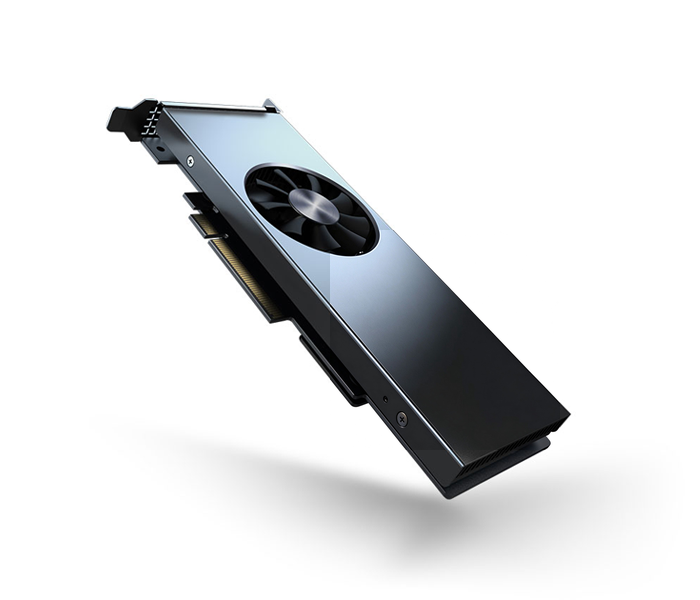
Shixinda AI AI Accelerator Card (Edge Inference)
Legacy Devices + Shixinda AI Brain: Simply plug into servers, mini hosts, or industrial PCs to complete device-level AI upgrades.
Learn More →SXD-X460H High-Performance Intelligent Computing Accelerator Card
New-Generation High-Performance AI Inference Accelerator Card, boasting a peak computing power of 48 TOPS, is widely compatible with mainstream servers featurin…
Learn More →
SXD-X3 Edge Inference Acceleration Card
9 TOPSSXD-X3 Edge Inference Acceleration Card is a 9 TOPS edge AI analytics device, nominally supporting 1 channel of real-time video input (1080P, 1 algorithm per channel, 2-second frame sampling basis); the number of supported channels varies with camera pixel resolution, frame sampling interval, and the number of algorithms per channel. Selection should be calculated based on actual scenarios with a 30% margin reserved.
Learn More →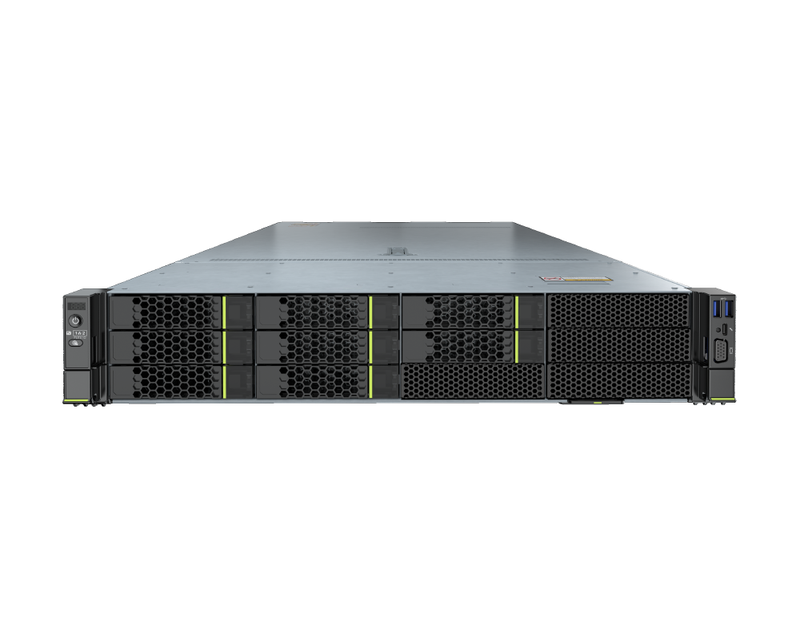 ← PrevShixinda AI Video Analytics Server (96-192 TOPS Series)Next →Shixinda AI AI Accelerator Card (Edge Inference)
Ready to go smart?
Leave a message or call us for tailored selection advice.