
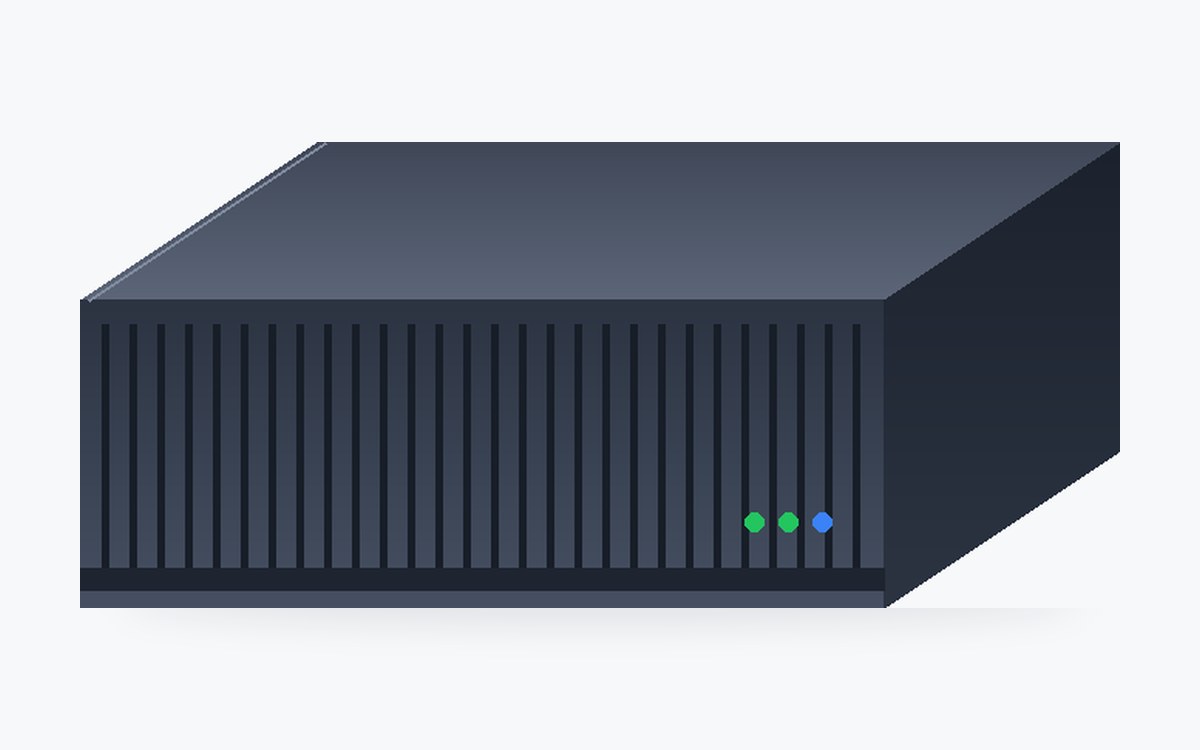
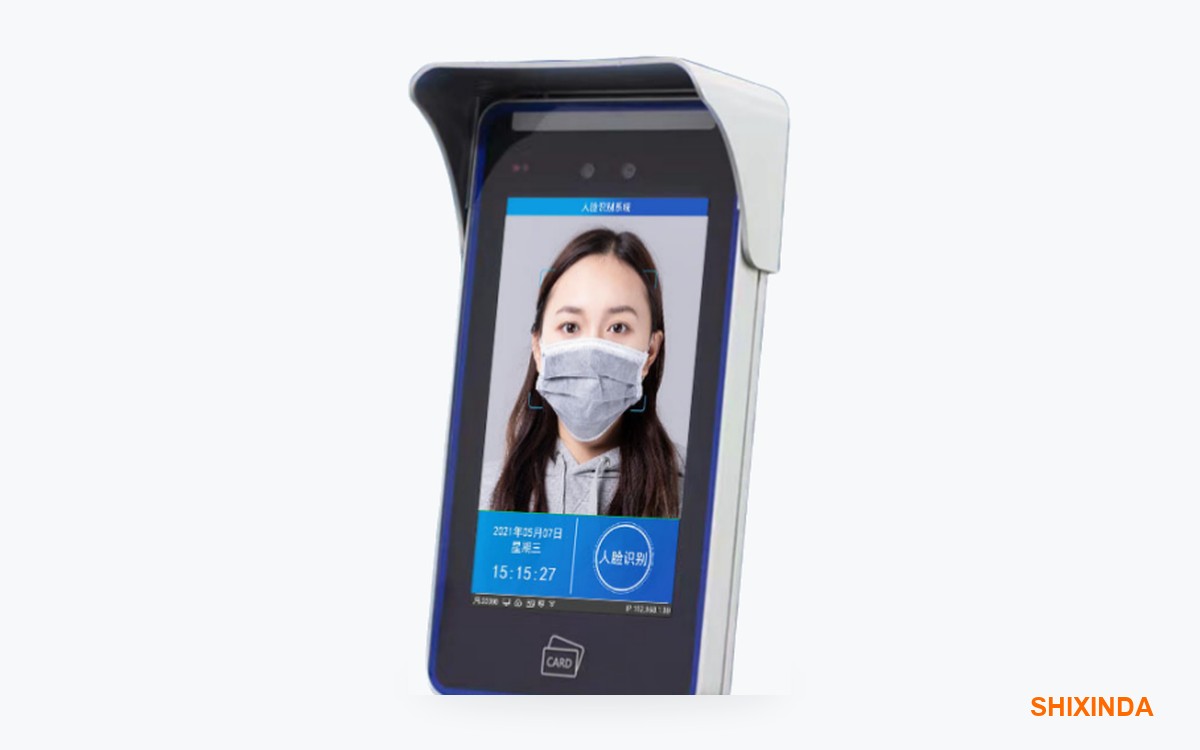



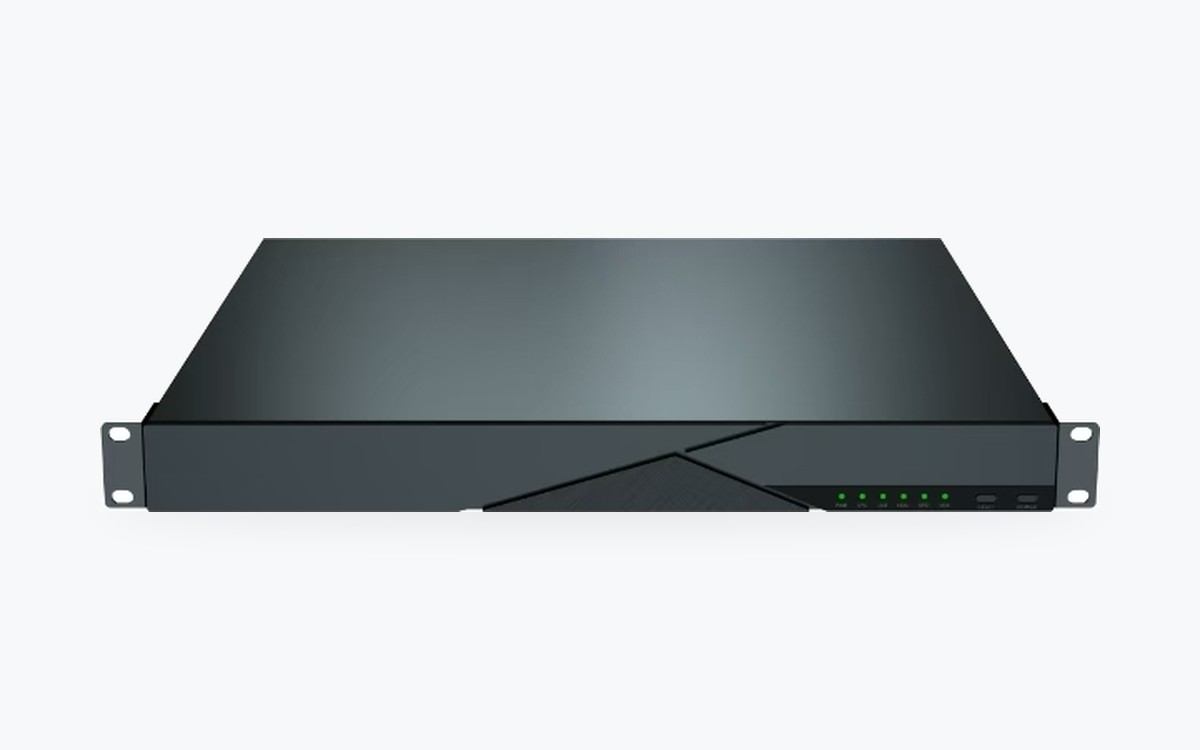
SXD-N430 Series Edge Analytics All-in-One Appliance
Specification · 24–72 core ARM Cortex-A55@1.6GHz · Up to 96 channels 1080P@25fps
SXD-N430 Series Edge Analytics Appliance, 1U rack-mount, 16–32 TOPS tiered options, selectable by camera count scale, suitable for centralized data center deplo…
No. sxd-n430-series-edge-analytics-all-in-one-appliance · 2026-11-20
Overview
Product Overview
The SXD-N430 Series Edge Analytics Appliance is a 1U rack-mount unit available in 16–32 TOPS tiers, selectable by camera count scale, and suited to centralized data-center deployment with就近 analysis at the edge.
Computing Power and Channel Capacity
The nominal computing power is the INT8 peak. The nominal channel count is the baseline specification (1080P, 25fps, 1 algorithm per channel, 1 frame sampled every 2 seconds) for real-time video ingestion. The actual number of supported channels varies with three variables:
| Variable | Change | Impact on Computing Power |
|---|---|---|
| Camera resolution | 2 MP → 4 MP | Per-channel decoding and inference load increases by approximately 50%–100%, and the supported channel count decreases accordingly |
| Frame sampling interval | 2 s → 1 s | Frames processed per second double, and the supported channel count is approximately halved |
| Algorithms per channel | 1 → 2 | Inference count doubles, and the supported channel count is approximately halved |
Selection advice: First convert based on "resolution × frame sampling frequency × algorithms per channel," then reserve a 30% margin; the specific model and channel count are subject to the delivery list.
Dataflow Architecture and Effective Computing Power
Nominal computing power is only the upper limit. What really determines the supported channel count is chip utilization. This series is equipped with a reconfigurable dataflow AI chip that compiles models into data pipelines, connecting operators directly into hardware paths so that computation completes as data flows through, without repeated instruction fetch and movement of intermediate results.
Effective computing power = nominal peak × chip utilization. In publicly available industry comparisons, instruction-set architectures achieve approximately 10%–30% utilization, while reconfigurable dataflow can reach 65%–95% — the same nominal computing power can differ greatly in actual usable computing power.
- More economical for existing-system upgrades: one device replaces two to three older devices, with simultaneous reductions in rack space and power consumption
- Reconfigurable algorithms: algorithms can be recompiled and deployed without replacing hardware
- Full computing power utilization: high utilization is maintained even during multi-channel concurrent decoding and inference
Utilization figures are publicly available industry ranges; measured values for an individual model vary with operator structure, resolution, and batching strategy.
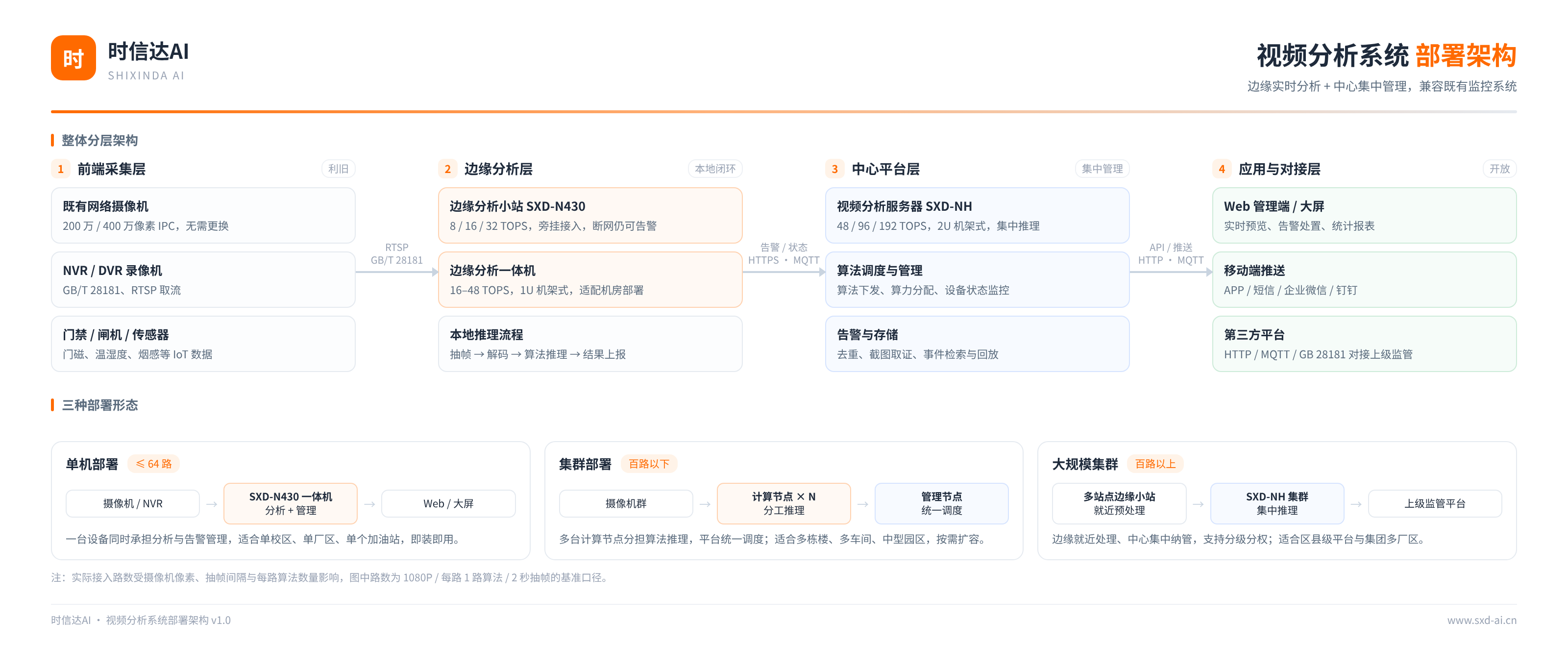
Deployment Architecture
FAQ
Q: Is the nominal channel count the same as the actual number of connectable channels? A: No. The nominal channel count is a value under the baseline specification; switching to 4 MP or changing to 1-second frame sampling requires recalculation.
Q: Can existing cameras be connected? A: Yes. Existing IPCs and NVRs can be connected via RTSP / GB 28181, with no need to replace front-end devices.
Q: Can algorithms be changed? A: Yes. Algorithms can be recompiled and deployed without replacing hardware; when on-site customization is required, the algorithm training platform can be used.
Related Recommendations
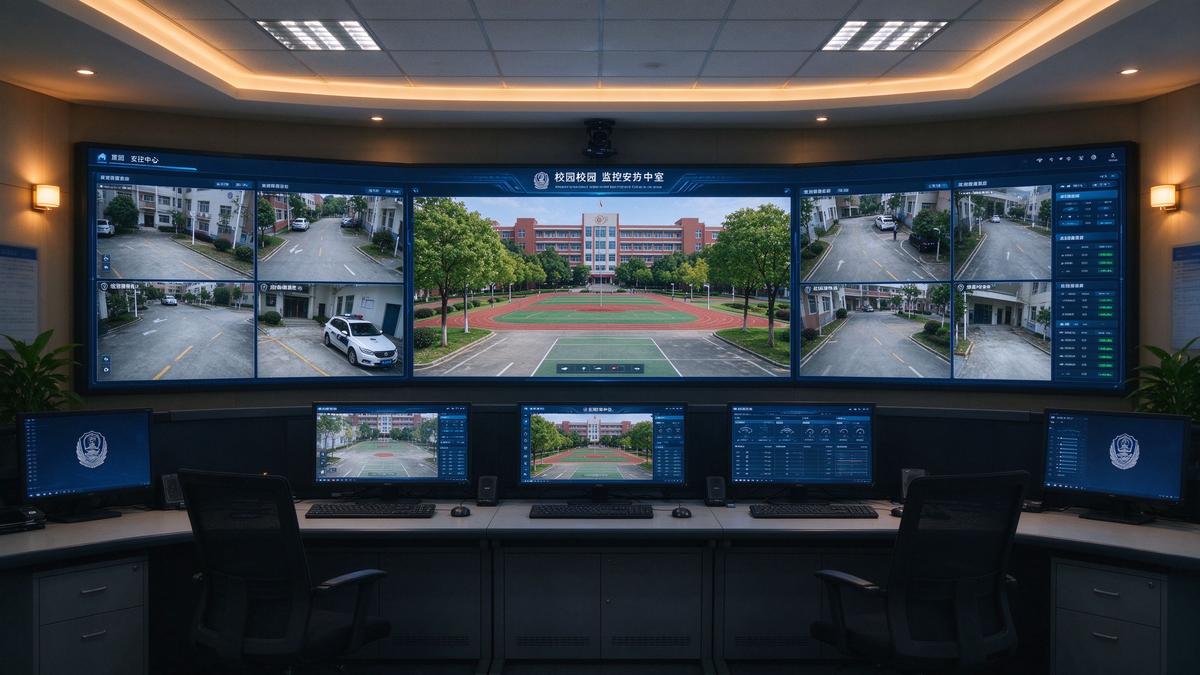
- Solution: Smart Campus Security Monitoring Upgrade Solution
- Solution: Smart Classroom Behavior Analysis Solution
References
The following are regulations and standards related to this document for further verification:
- "Technical Requirements for Information Transmission, Exchange, and Control of Public Security Video Surveillance Networking Systems" (GB/T 28181) — Official source
- "Data Security Law of the People's Republic of China" — Official source
Applications




Core Features
最高 96 路 1080P@25fps
24–72 核 ARM Cortex-A55@1.6GHz
24 路 H.265 1080P@25fps
JPEG 1200fps 编码 / 900fps 解码
Specifications
| Item | Specification |
|---|---|
| Processor | 24–72 core ARM Cortex-A55@1.6GHz |
| Video Decoding | Up to 96 channels 1080P@25fps |
| Video Encoding | 24 channels H.265 1080P@25fps |
| Image Codec | JPEG 1200fps encoding / 900fps decoding |
| Power Supply | 180W AC~DC (100–240V AC) |
Expand all(11)
| Power Consumption | 120W |
|---|---|
| Cooling | Active cooling |
| Dimensions | 450×440×44mm |
| Operating Temperature | 0℃~45℃ |
| Operating System | OpenEuler (default) |
Downloads
FAQ
Do I need to replace the existing cameras?
No. The device is compatible with mainstream network cameras on the market and can be connected via side-mounted access; the existing wiring and network setup remain unchanged.
What algorithms are supported?
Common algorithms such as helmet detection, reflective vest detection, area intrusion, smoke and fire detection, absence from post, and crowd gathering are supported, and custom algorithms can also be developed for specific scenarios.
What are the delivery lead time and warranty terms?
Regular models are in stock. For bulk projects, please contact our sales team to confirm the schedule; the warranty period for complete units is subject to the contract.
Related Products
View All →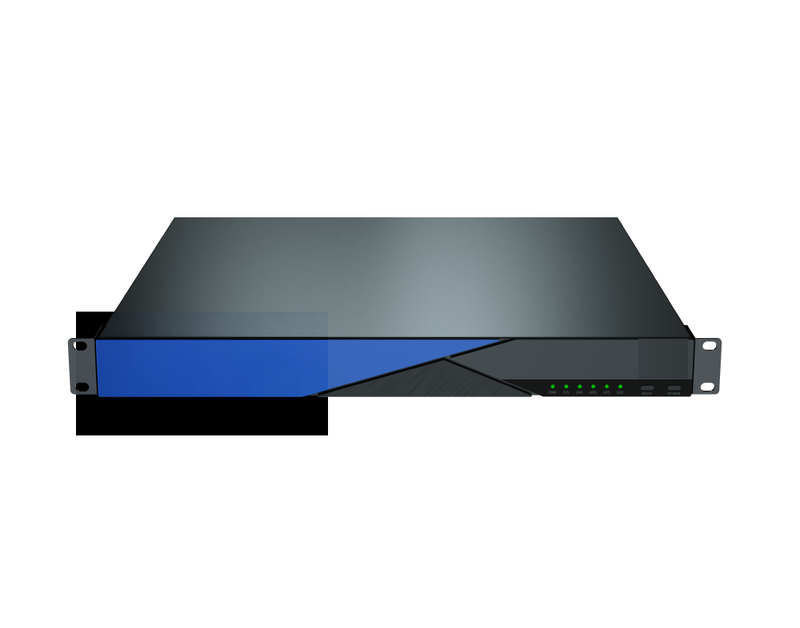
Shixinda AI AI Video Analytics Edge All-in-One Device (16-48 TOPS)
48 TOPSLegacy Cameras + Shixinda AI Brain: Standard 1U rack-mount design, it can retrofit AI capabilities to the entire existing surveillance system simply by replacin…
Learn More →Shixinda AI SXD-N430PW Edge Analytics All-in-One
32 TOPSShixinda AI Integrated Edge AI Analytics Device, integrating video input, intelligent analytics, and local storage, delivers a peak computing power of 32 TOPS a…
Learn More →SXD-N430SW Edge Analytics Appliance
16 TOPSSXD-N430SW Edge Analytics Appliance is a 16 TOPS edge AI analytics device, rated to support 32 channels of real-time video input (1080P, 1 algorithm per channel, 2-second frame sampling basis); the number of supported channels varies with camera pixel resolution, frame sampling interval, and the number of algorithms per channel. Selection must be calculated based on the actual scenario with a 30% margin reserved.
Learn More →SXD-N430UW Edge Analytics Appliance
48 TOPSThe SXD-N430UW Edge Analytics Appliance is a 48 TOPS edge AI analytics device, rated to support 128 channels of real-time video input (1080P, one algorithm per channel, 2-second frame sampling basis); the number of supported channels varies with camera resolution, frame sampling interval, and the number of algorithms per channel. Selection must be calculated based on actual scenarios with a 30% margin reserved.
Learn More →Ready to go smart?
Leave a message or call us for tailored selection advice.