

SXD-N430SW Edge Analytics Appliance (16 TOPS)
Specification · SXD-N430SW (1U rack-mounted) · 16 TOPS@INT8 / 4 TOPS@INT16 / 128 GFLOPS FP32
SXD-N430SW Edge Analytics Appliance is a 16 TOPS edge AI analytics device, rated to support 32 channels of real-time video input (1080P, 1 algorithm per channel…
No. sxd-n430sw-edge-analytics-appliance-16-tops · 2026-11-20
Overview
Product Overview
The SXD-N430SW Edge Analytics All-in-One Appliance is a 16 TOPS edge AI analytics device, nominally supporting 32 channels of real-time video access (1080P, 1 algorithm per channel, 2-second frame sampling). The number of supported channels varies with camera resolution, frame sampling interval, and the number of algorithms per channel, and should not be understood as a fixed channel count. For selection guidance, see "Computing Power and Input Specifications" below.
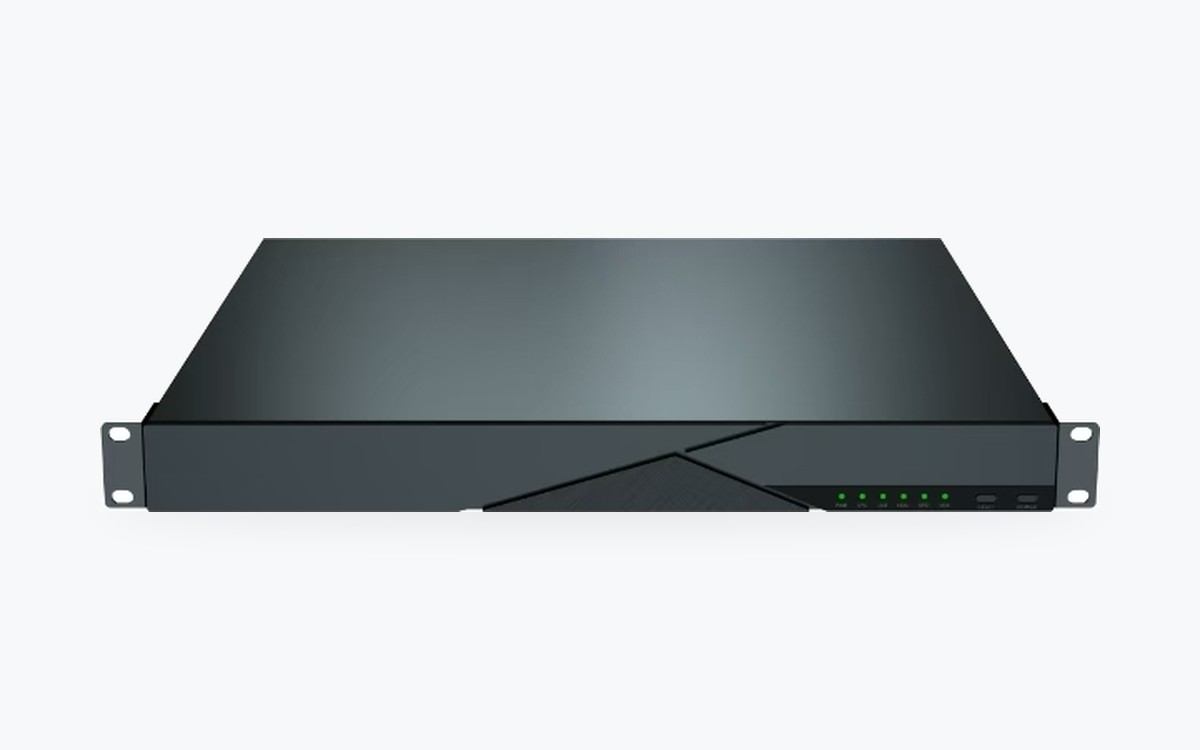
The SXD-N430SW is a standard 1U edge appliance designed for centralized back-end analytics: it features a built-in AI acceleration engine delivering 16 TOPS@INT8 computing power, supports real-time decoding of 32 channels of 1080P video and encoding of 8 channels, and enables real-time analysis of people, vehicles, and environments in surveillance footage. The device comes pre-installed with a video analytics platform, with algorithms, computing power, and software delivered as an integrated solution—ready to use on power-up.
Computing Power and Input Specifications
The nominal "32 channels" refers to real-time video input channels, based on the baseline of 1080P, 25fps, 1 algorithm bound per channel, and one frame sampled every 2 seconds. The actual number of supported channels is not a fixed value and varies with three variables:
| Variable | Change | Impact on Computing Power |
|---|---|---|
| Camera resolution | 2 MP → 4 MP | Decoding and inference load per channel increases by approximately 50%–100%, with a corresponding reduction in supported channels |
| Frame sampling interval | 2 s → 1 s | Frames processed per second doubles, with supported channels roughly halved |
| Algorithms per channel | 1 → 2 | Inference count doubles, with supported channels roughly halved |
Selection recommendation: First calculate based on "resolution × frame sampling frequency × algorithms per channel," then reserve a 30% margin. 2 MP + 2-second frame sampling + single algorithm corresponds to the nominal channel count; when switching to 4 MP or 1-second frame sampling, estimate at 50%–60% of the nominal channel count. 16 TOPS is the INT8 peak computing power; actual usable computing power is affected by algorithm models and concurrency strategies.
Dataflow Architecture and Effective Computing Power
Nominal computing power is only an upper limit—what really determines how many channels can be supported is chip utilization. This device is equipped with a reconfigurable dataflow AI chip that compiles the entire algorithm model into a data pipeline, directly chaining operators into hardware pathways so that computation completes as data flows through, without repeated instruction fetching and intermediate result movement.
| Comparison Item | Instruction Set Architecture (Common GPU/NPU) | Dataflow Architecture (This Device) |
|---|---|---|
| Computation method | Operators executed one by one; intermediate results repeatedly read from and written to memory | Operators compiled into a pipeline; computation completes as data flows through |
| Chip utilization (public industry comparison) | 10%–30% | 65%–95% |
| Effective computing power at 8 TOPS | Approx. 0.8–2.4 TOPS | Approx. 5.2–7.6 TOPS |
| Supported channels at equivalent computing power | Baseline | Approx. 2–3× based on median utilization |
| Algorithm deployment | Dependent on framework adaptation and manual tuning | Self-developed compiler; TensorFlow / PyTorch / ONNX models compiled and deployed end-to-end automatically |
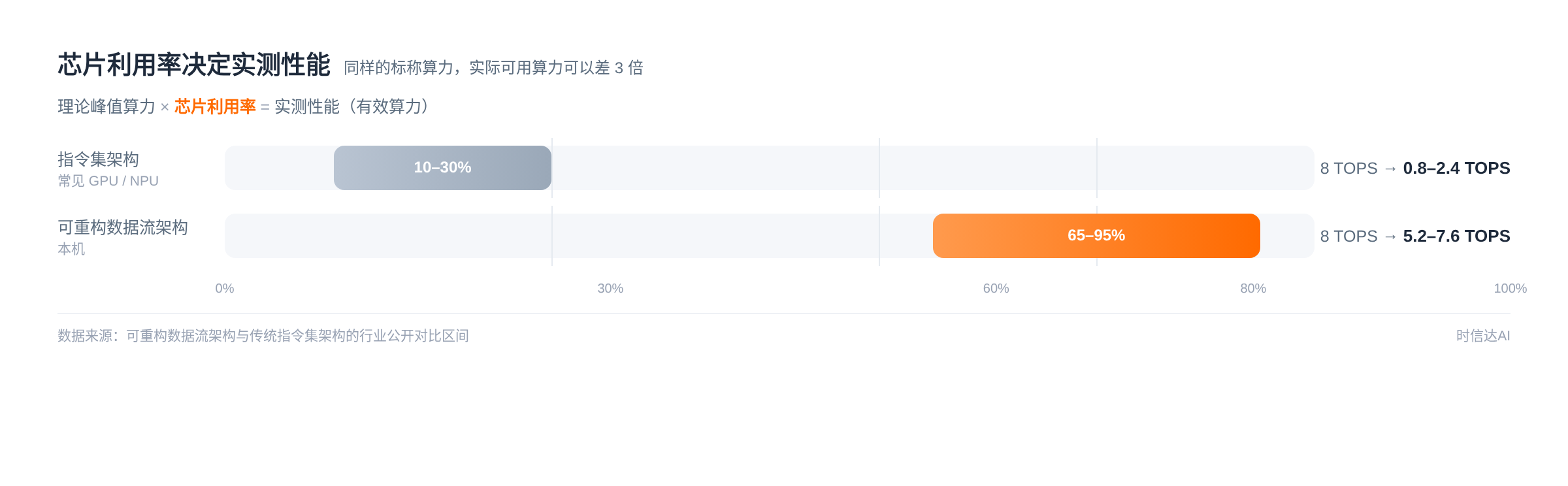
Effective computing power = nominal peak × chip utilization. Taking 8 TOPS as an example: the instruction set approach offers approximately 0.8–2.4 TOPS of actual usable computing power, while the dataflow approach offers approximately 5.2–7.6 TOPS—this is also why devices with the same nominal computing power can differ greatly in the actual number of cameras they can support.
For real-world deployments, this means three things:
- More economical for existing system upgrades: One device replaces two to three previous devices, with corresponding reductions in rack space and power consumption
- Reconfigurable algorithms: Switching algorithms does not require replacing hardware—just compile and deploy, avoiding the situation where "an algorithm upgrade means a new box"
- Computing power runs stably at full capacity: During concurrent multi-channel video decoding and inference, the pipeline still maintains high utilization, avoiding "high peak, low measured" performance
Note: The utilization figures in the table are publicly available industry architecture comparison ranges; actual measured values for specific models will vary with operator structure, input resolution, and batching strategy. The nominal channel count on this page is given based on the baseline of 1080P, 1 algorithm per channel, and 2-second frame sampling.
Algorithm Capabilities (by Scenario Category)
The algorithms compatible with the device are divided into 6 major categories by scenario, covering 460+ sub-scenarios; which specific algorithms are enabled is configured per project and subject to the delivery list.
| Scenario Category | Representative Algorithms | Typical Locations |
|---|---|---|
| Personnel Behavior and On-Duty Status | Area intrusion, line crossing, personnel lingering, loitering, climbing/fence scaling, fall detection, on-duty status monitoring, work procedure deviation, helmet/reflective vest/work uniform/mask/glove wearing detection | Plant perimeter, duty room, work area |
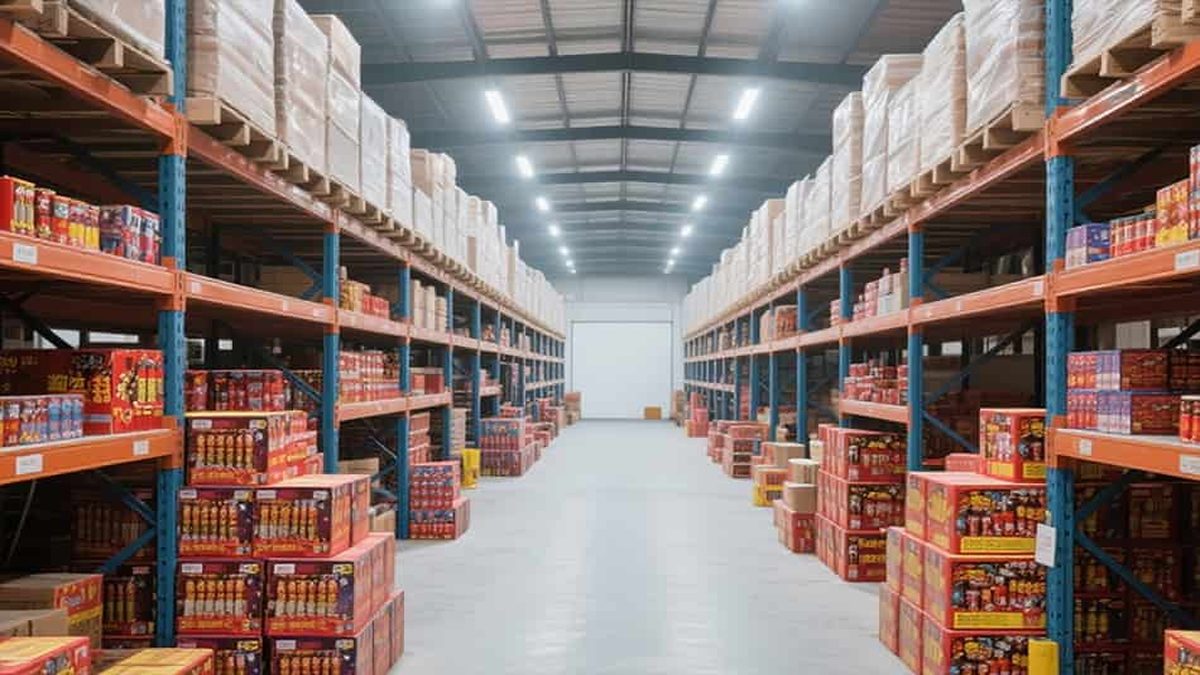
| Safety Risk and Fire Protection | Fire and smoke, open flame, smoke, fire lane obstruction, hazardous area intrusion, passage blockage, gas leakage, electrostatic discharge | Warehouse, power distribution room, kitchen, hazardous chemical area |
| Vehicles and Traffic | License plate recognition, illegal parking, wrong-way driving, traffic flow statistics, non-motor vehicle intrusion, construction vehicle recognition, height restriction | School gate, campus entrance/exit, roads |
| Objects and Facilities | Material stacking, pallet recognition, shelf out-of-stock, equipment status, meter readings, conveyor abnormality | Workshop, warehouse, power distribution room |
| Environment and Order | Garbage overflow, water accumulation, dust, road occupation, disorderly stacking | Plant roads, garbage room, construction area |
| Food and Kitchen | Kitchen attire, rodent infestation, food sample retention testing, tableware disinfection, cold chain temperature | School/enterprise cafeterias |
Note: Algorithm names are handled according to external communication standards; algorithms involving human portraits must be used within authorized scope. The table lists representative algorithms; the complete list is provided with the project.
Algorithm Training and Customization (Optional)
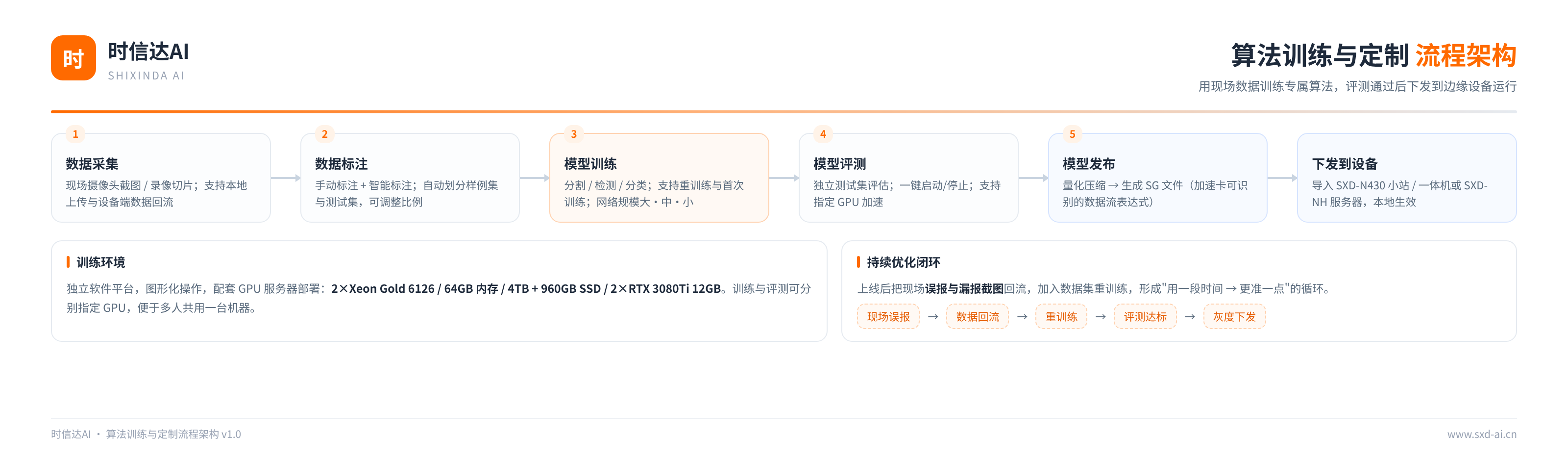
If general-purpose algorithms do not cover on-site scenarios, the "AI Algorithm Training Platform" can be provided to train dedicated models using on-site data. After training is completed, quantization generates an SG file, which is deployed to the device's inference acceleration card for execution. The platform features a graphical interface and completes the process in four steps: data annotation → model training → model evaluation → model release.
| Stage | Capability | Description |
|---|---|---|
| Data Annotation | Manual annotation + intelligent annotation | Data can be uploaded locally,回流 from the site, or selected from platform datasets; sample sets and test sets are automatically split |
| Model Training | Segmentation / Detection / Classification | Supports retraining of existing models and first-time training on the model library; customizable images per batch and network scale (large/medium/small) |
| Model Evaluation | Specified model + one-click evaluation | Evaluates performance using an independent test set; supports specified GPU acceleration |
| Model Release | Quantization + SG file generation | Converts to a dataflow expression recognizable by the acceleration card and deploys to the edge device for execution |
The training platform is standalone software and requires a GPU server (reference configuration: 2×Xeon Gold 6126 / 64GB / 2×RTX 3080Ti), configured per project. Training effectiveness depends on sample quality and scenario coverage; it is recommended to validate with a small batch of data before large-scale collection.
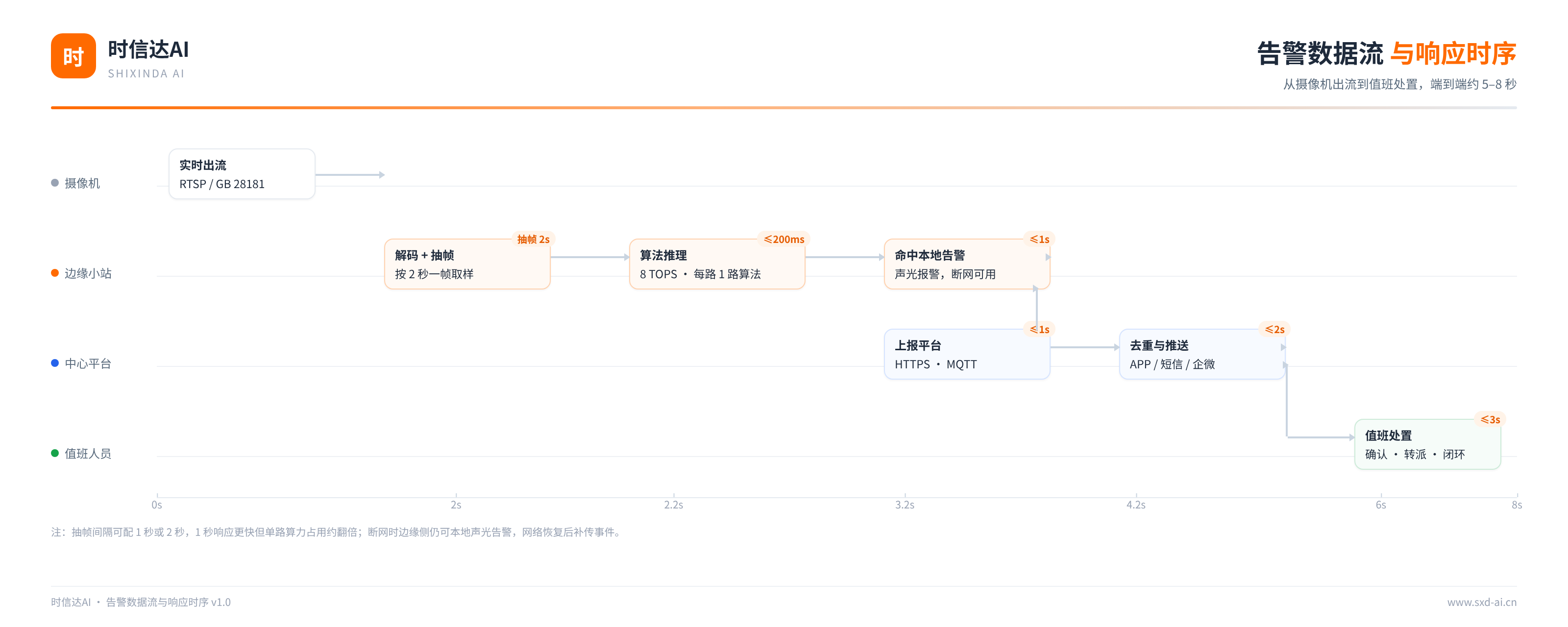
Alarm Dataflow
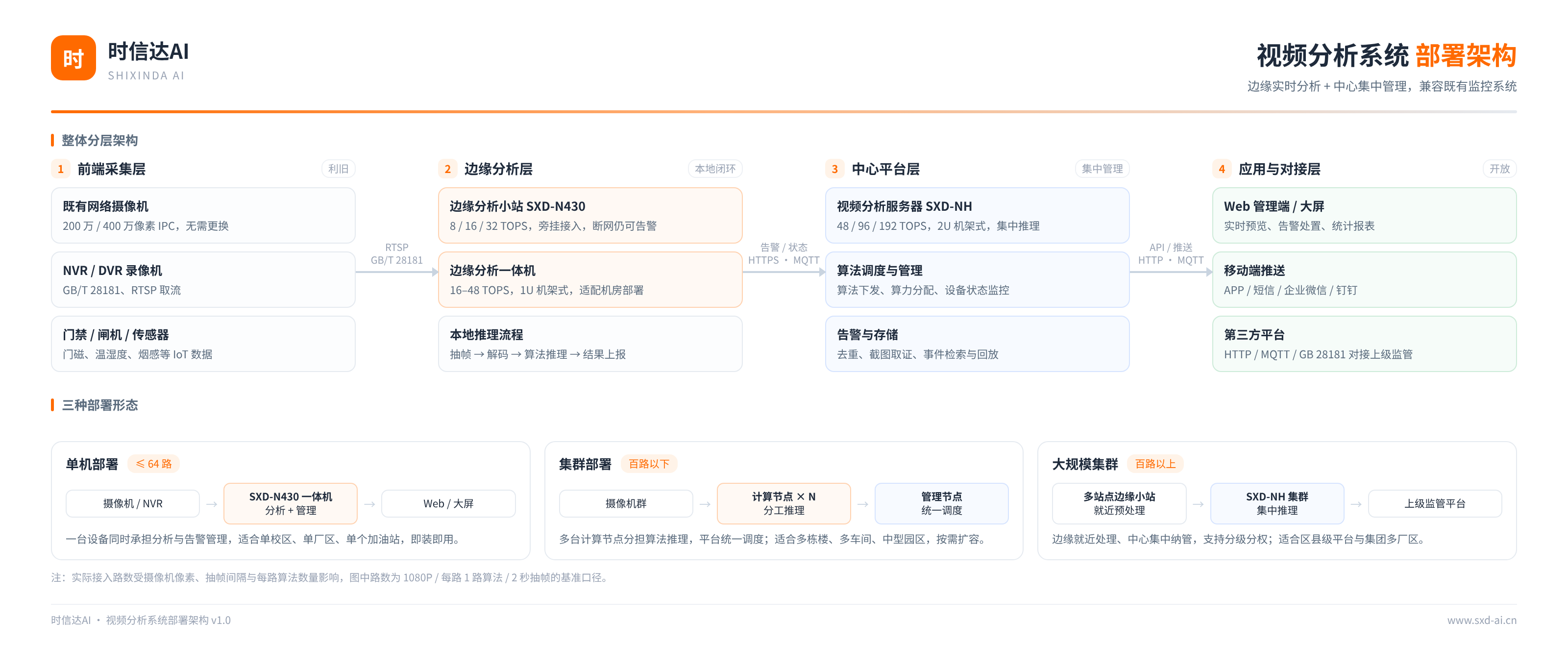
Deployment Architecture
Core Features
- Integrated delivery: Algorithms + computing power + platform on the same device; connect cameras and alarms are generated—no additional server required
- Leverages existing infrastructure: Compatible with mainstream cameras and NVRs; access via RTSP / RTMP / GB/T 28181 standard protocols
- Configurable algorithms: Up to 24 algorithms per channel and up to 64 channels in parallel across the full stream; enabled per location via checkbox
- Standard 1U: Supports 19-inch rack mounting or desktop placement; active air cooling
Typical Applications
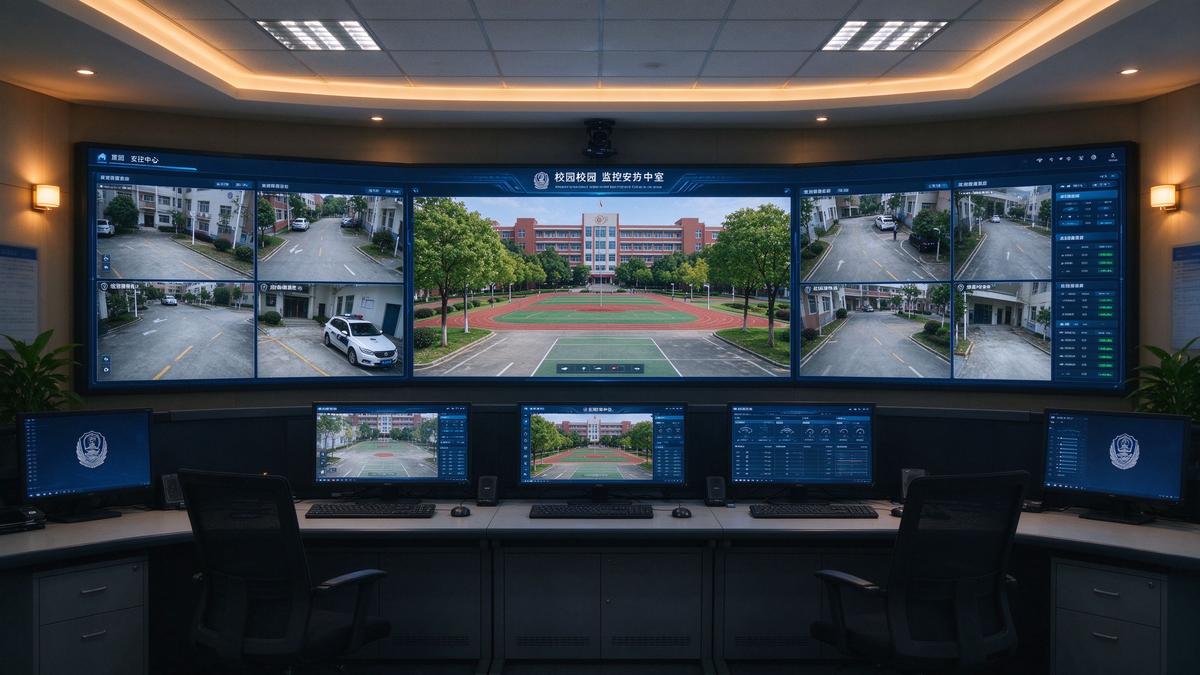
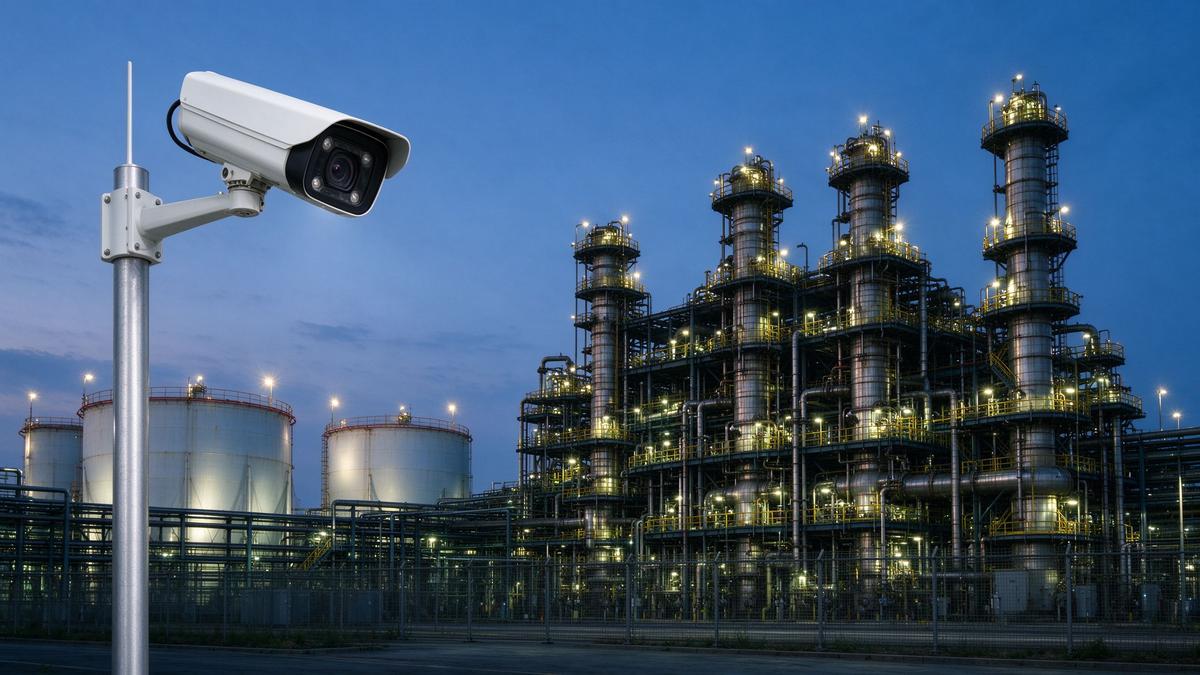
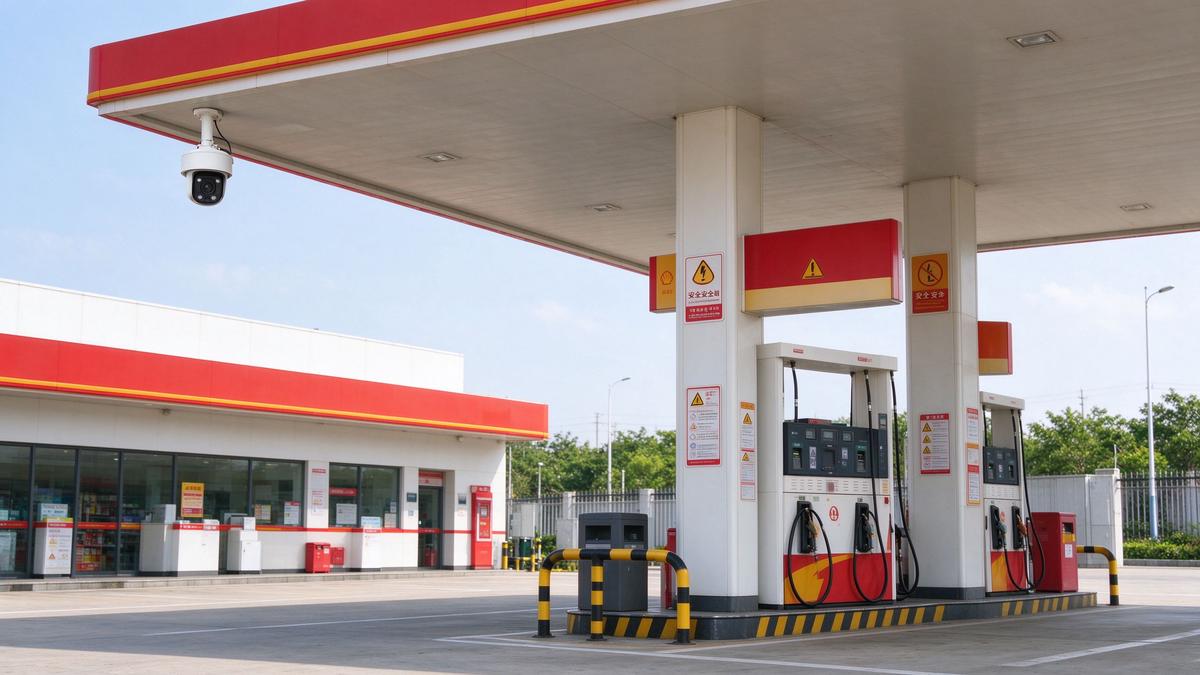
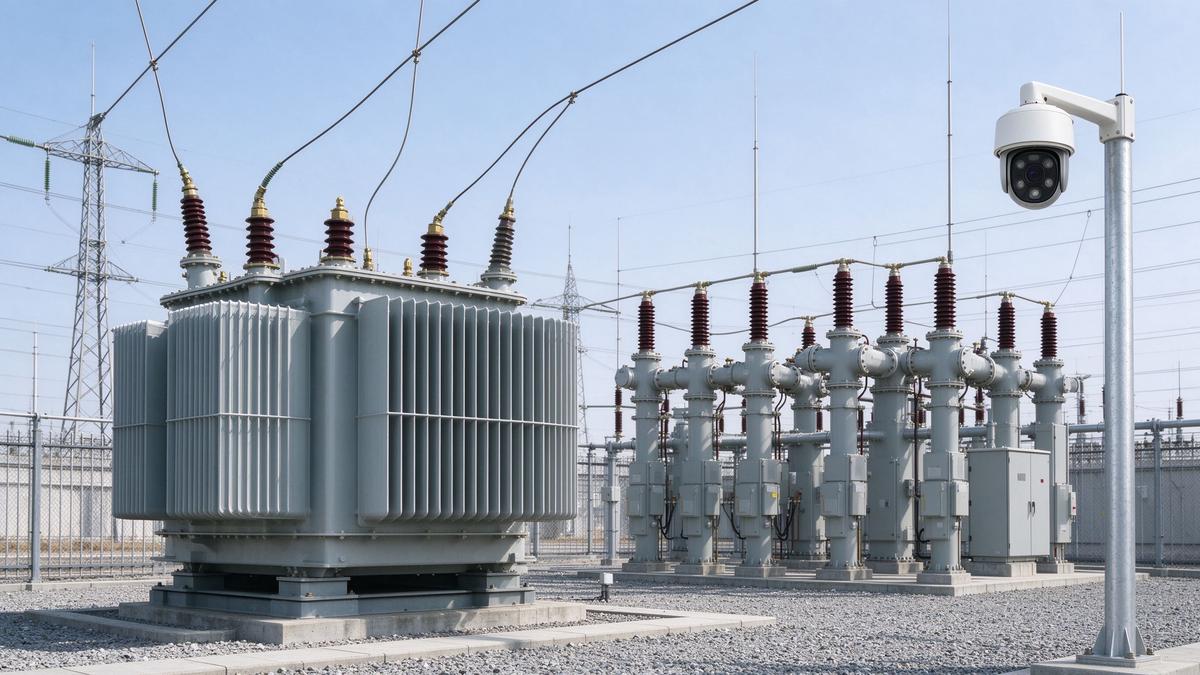
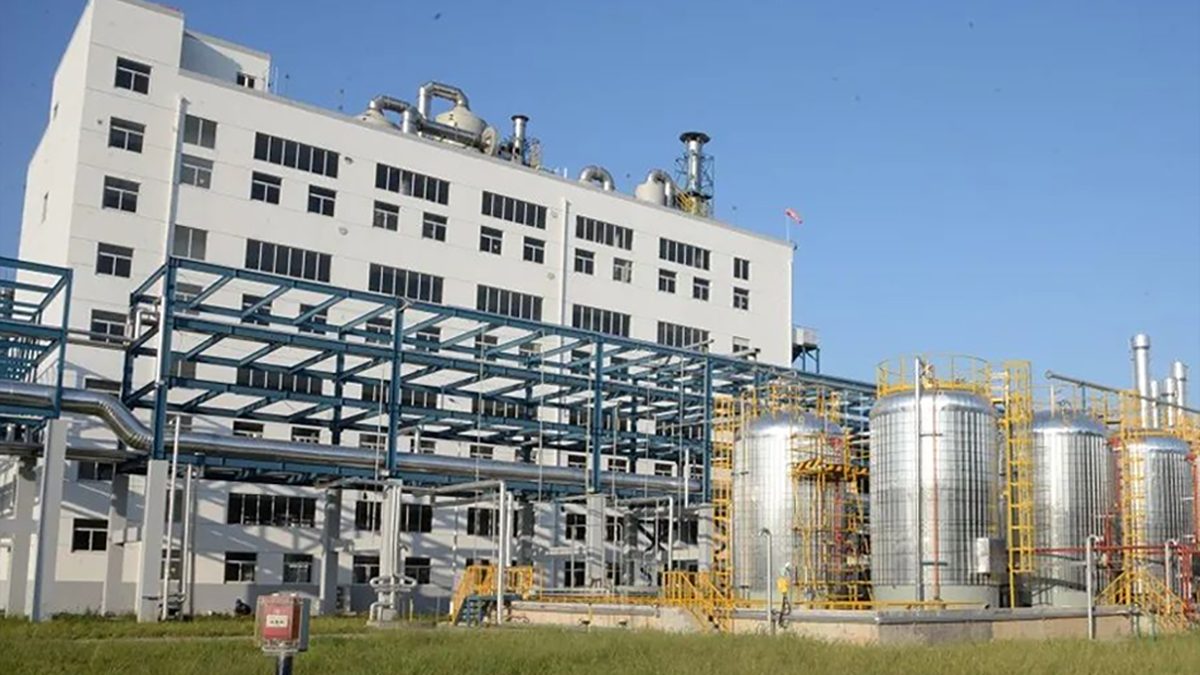
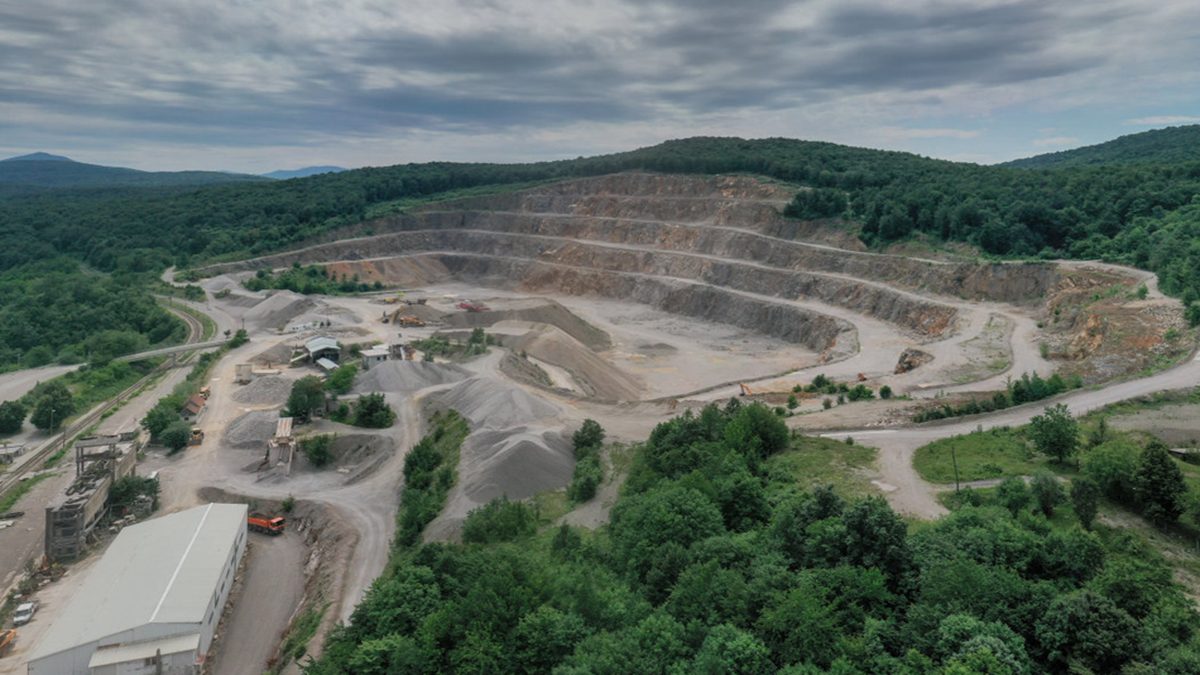
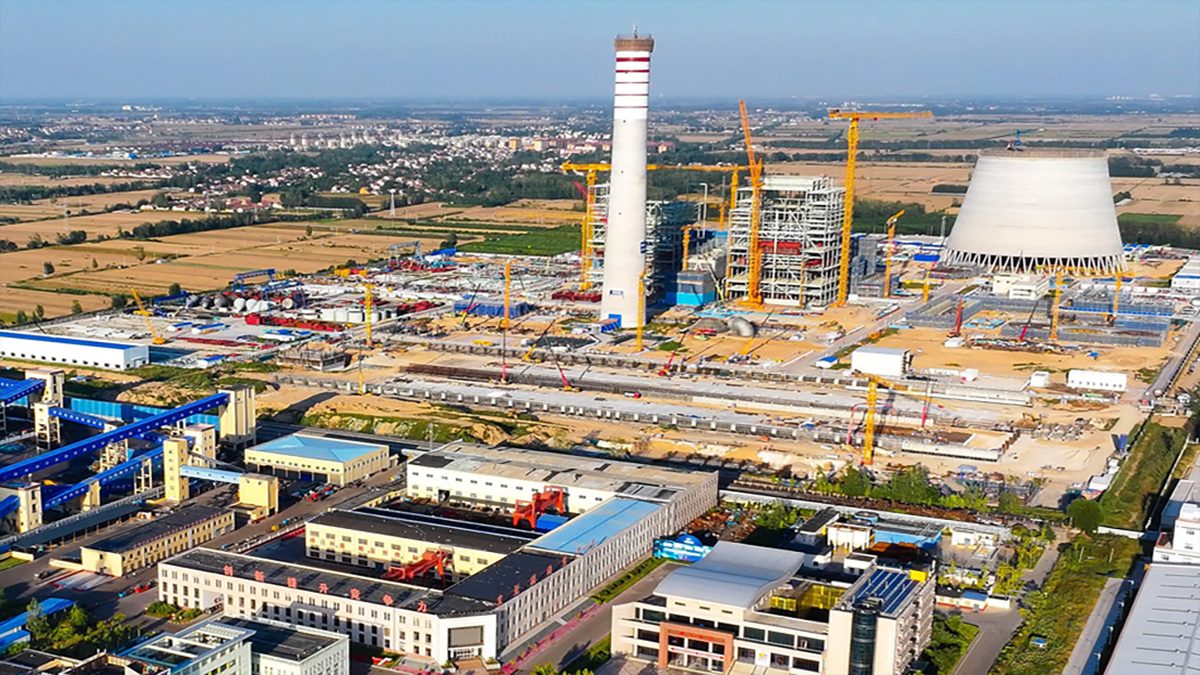
Back-end analytics for industries such as chemicals, construction sites, mining, and oilfields; small and medium-sized surveillance centers for schools and campuses.
Related Recommendations
- Solution: Smart Campus Security Monitoring Upgrade Solution
- Solution: Smart Classroom Behavior Analytics Solution
References
The following are regulations and standards related to this document for further verification:
- "Technical Requirements for Information Transmission, Exchange, and Control of Public Security Video Surveillance Networked Systems" (GB/T 28181) — Official Source
- "Data Security Law of the People's Republic of China" — Official Source
Applications
Core Features
16 TOPS@INT8 / 4 TOPS@INT16 / 128 GFLOPS FP32
24 核 ARM@1.6GHz(内置 AI 加速引擎)
系统 8GB + AI 8GB
1TB 硬盘(告警图片约存 3 个月)
Specifications
| Item | Specification |
|---|---|
| Model | SXD-N430SW (1U rack-mounted) |
| AI Computing Power | 16 TOPS@INT8 / 4 TOPS@INT16 / 128 GFLOPS FP32 |
| Processor | 24-core ARM@1.6GHz (with built-in AI acceleration engine) |
| Memory | System 8GB + AI 8GB |
| Storage | 1TB HDD (stores alarm images for approximately 3 months) |
Expand all(17)
| Video Decoding | 32 channels 1080P@25fps |
|---|---|
| Video Encoding | 8 channels 1080P@25fps |
| Algorithm Capability | Up to 24 algorithms per channel; maximum 64 parallel across all video streams |
| Portrait Library | Supports enrollment of 10,000 portraits |
| Interfaces | Gigabit Ethernet ports×2, USB3.0×3, HDMI×1, Audio×1, RS232×1, RS485×1, DI×4, DO×4, DebugUart×1 |
| Power Supply | 180W, 100–240V AC |
| Power Consumption | 50W (MAX) |
| Dimensions | 440×450×44mm (482.6mm wide including mounting ears) |
| Weight | 5.74kg |
| Operating Environment | 0℃~45℃, humidity 20%~80%RH non-condensing |
| Operating System | openEuler (domestic) |
Downloads
FAQ
How many cameras can 16 TOPS actually support?
The nominal 32 channels is the baseline reference (1080P/25fps/1 algorithm per channel/2-second frame sampling). If you switch to 4-megapixel cameras, estimate around 18 channels; if you change to 1-second frame sampling, the number of supported channels is roughly halved; adding one more algorithm per channel halves it again.
What is the difference in compute usage between 2-megapixel and 4-megapixel cameras?
A single frame from a 4-megapixel camera contains about twice the data of a 2-megapixel frame, so decoding and inference loads rise accordingly. With the same compute capacity, plan for 50%–60% of the number of channels a 2-megapixel camera can support when using 4-megapixel cameras, and reserve headroom for peak loads.
How should I choose between 1-second and 2-second frame extraction?
For alarm-type scenarios (intrusion, fighting, smoke/fire, absence from post), 1 second is recommended—it gives faster response but doubles compute usage. For statistical scenarios (foot traffic, counting, on-duty duration), 2 seconds is sufficient and allows more channels. In mixed scenarios, you can set 1 second separately for key locations.
Which algorithms does the device support?
They are grouped by scenario into 6 major categories: personnel behavior and on-duty presence, safety risks and fire protection, vehicles and traffic, objects and facilities, environment and order, and food and kitchen back-of-house, covering 460+细分 scenarios. The specific algorithms enabled are configured per project and a list is provided at delivery; algorithms involving human portraits must be used within the authorized scope.
Can we train the algorithm using our own on-site data?
Yes. The accompanying AI algorithm training platform supports four stages: data annotation, model training, model evaluation, and model deployment. You can import on-site images (either locally or via data回流—data回流 is data feedback/回流, but in English: data feedback/回流? Let's use 'data回流'? No, translate to English: 'data回流' is not English. Use 'data feedback' or 'data回流'? Better: 'data回流' means data回流? Actually '数据回流' means data回流/feedback loop. In English: 'data feedback' or 'data回流'? Use 'data回流'? No, must be English. Use 'data feedback'. So: import on-site images (either locally or via data feedback), manually or intelligently annotate them, select segmentation/detection/classification models for training, and after passing evaluation, quantize and generate an SG file to deploy to the device. The training platform requires a dedicated GPU server, which can be selected according to the project.
Both are 8 TOPS, so why can you handle more channels?
Because the nominal TOPS is only a peak upper limit; actual performance = peak × chip utilization. Common instruction-set architectures (GPU/NPU) have utilization of about 10%–30%, while a reconfigurable dataflow architecture can reach 65%–95%. With the same 8 TOPS, the effective compute of a dataflow solution is about 5.2–7.6 TOPS, so it can naturally handle more channels; the specific number of channels is also affected by camera resolution, frame sampling interval, and the number of algorithms per channel.
Related Products
View All →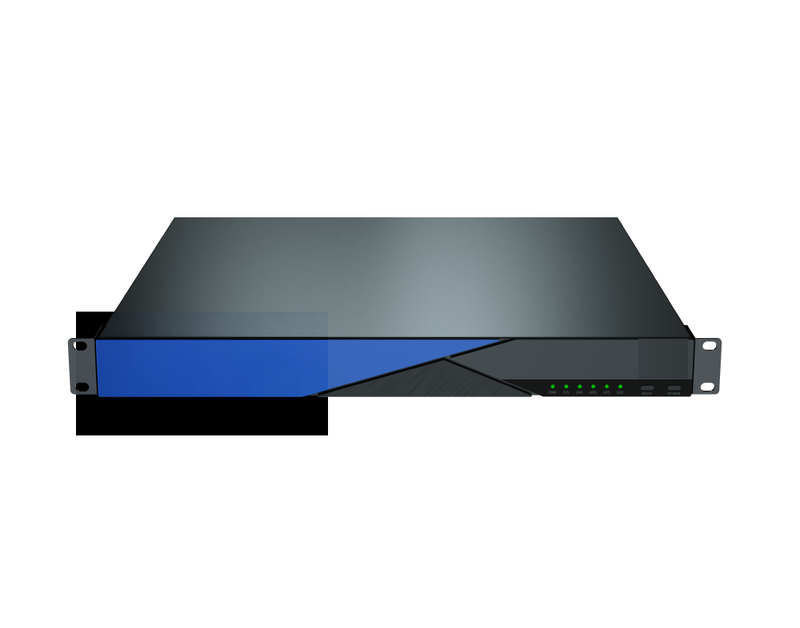
Shixinda AI AI Video Analytics Edge All-in-One Device (16-48 TOPS)
48 TOPSLegacy Cameras + Shixinda AI Brain: Standard 1U rack-mount design, it can retrofit AI capabilities to the entire existing surveillance system simply by replacin…
Learn More →Shixinda AI SXD-N430PW Edge Analytics All-in-One
32 TOPSShixinda AI Integrated Edge AI Analytics Device, integrating video input, intelligent analytics, and local storage, delivers a peak computing power of 32 TOPS a…
Learn More →SXD-N430UW Edge Analytics Appliance
48 TOPSThe SXD-N430UW Edge Analytics Appliance is a 48 TOPS edge AI analytics device, rated to support 128 channels of real-time video input (1080P, one algorithm per channel, 2-second frame sampling basis); the number of supported channels varies with camera resolution, frame sampling interval, and the number of algorithms per channel. Selection must be calculated based on actual scenarios with a 30% margin reserved.
Learn More →SXD-N430 Series Edge Analytics All-in-One Appliance
SXD-N430 Series Edge Analytics Appliance, 1U rack-mount, 16–32 TOPS tiered options, selectable by camera count scale, suitable for centralized data center deployment and nearby analytics.
Learn More → ← PrevSXD-N430-8P Edge Analytics Appliance (8 TOPS)Next →SXD-N430UW Edge Analytics Appliance (48 TOPS)
Ready to go smart?
Leave a message or call us for tailored selection advice.